Brad Wilcox - Teacher, Author, Speaker Ep. 13

Brad Wilcox - Teacher, Author, Speaker

Brad Wilcox - Teacher, Author, Speaker

Viña del Mar & Santiago, Chile 52 minutes

Brad Wilcox - Teacher, Author, Speaker shares insights from their mission in Viña del Mar & Santiago, Chile and how those experiences shaped their career and life.

About Brad Wilcox - Teacher, Author, Speaker

Brad Wilcox - Teacher, Author, Speaker is featured in this episode of The Best 2 Podcast, sharing how their mission experience influenced their personal and professional journey.

Key Topics

  • Mission experiences in Viña del Mar & Santiago, Chile
  • Career development and growth
  • Personal transformation through service
  • Lessons learned and applied

Watch the Episode

Full Transcript

Full Transcript

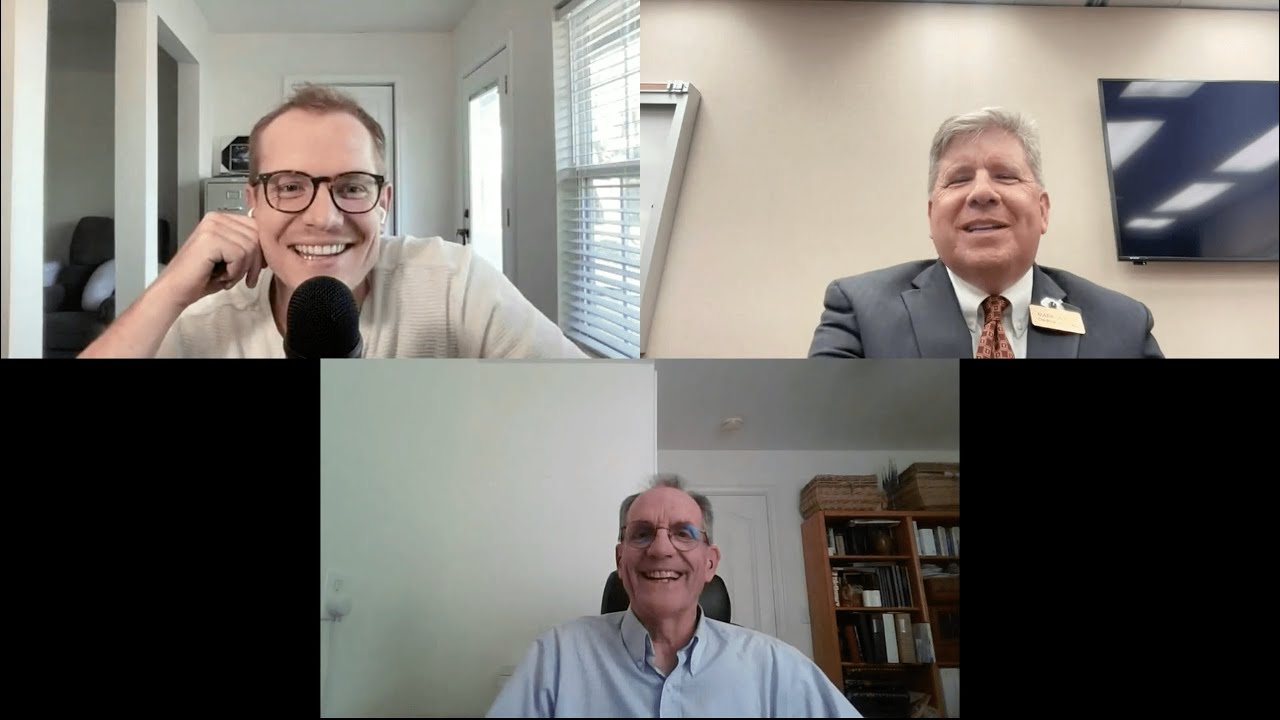
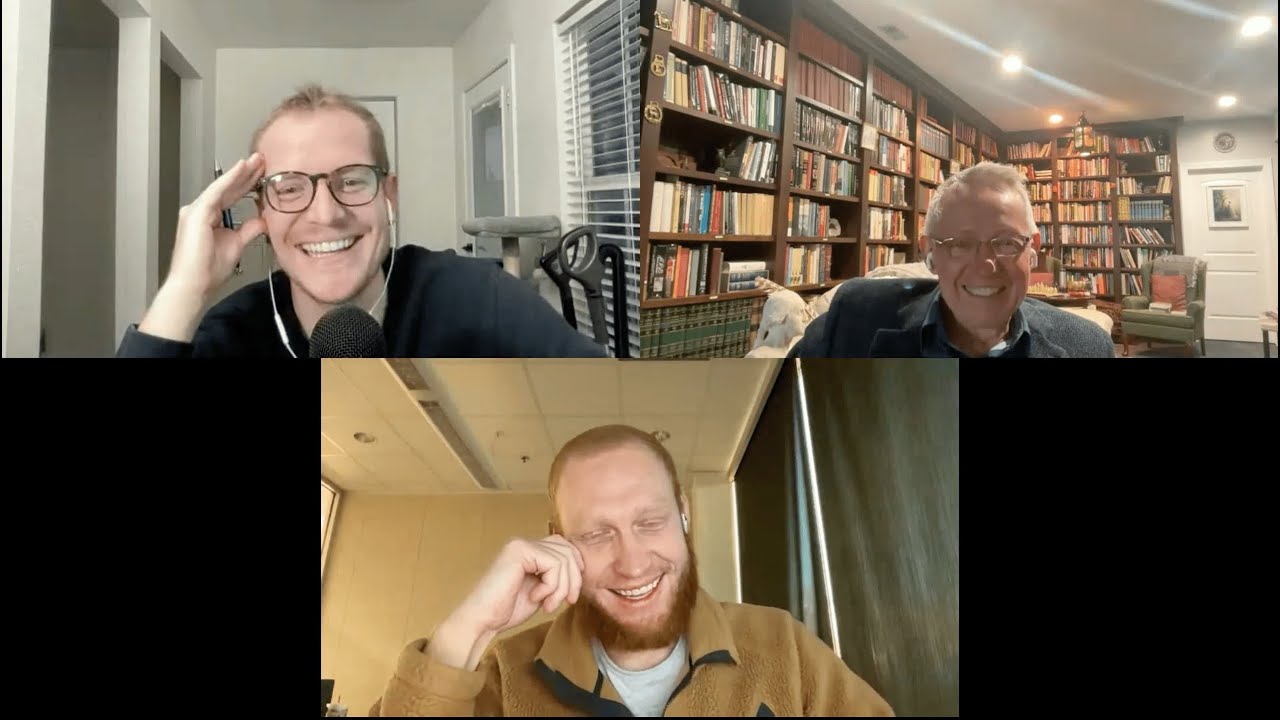
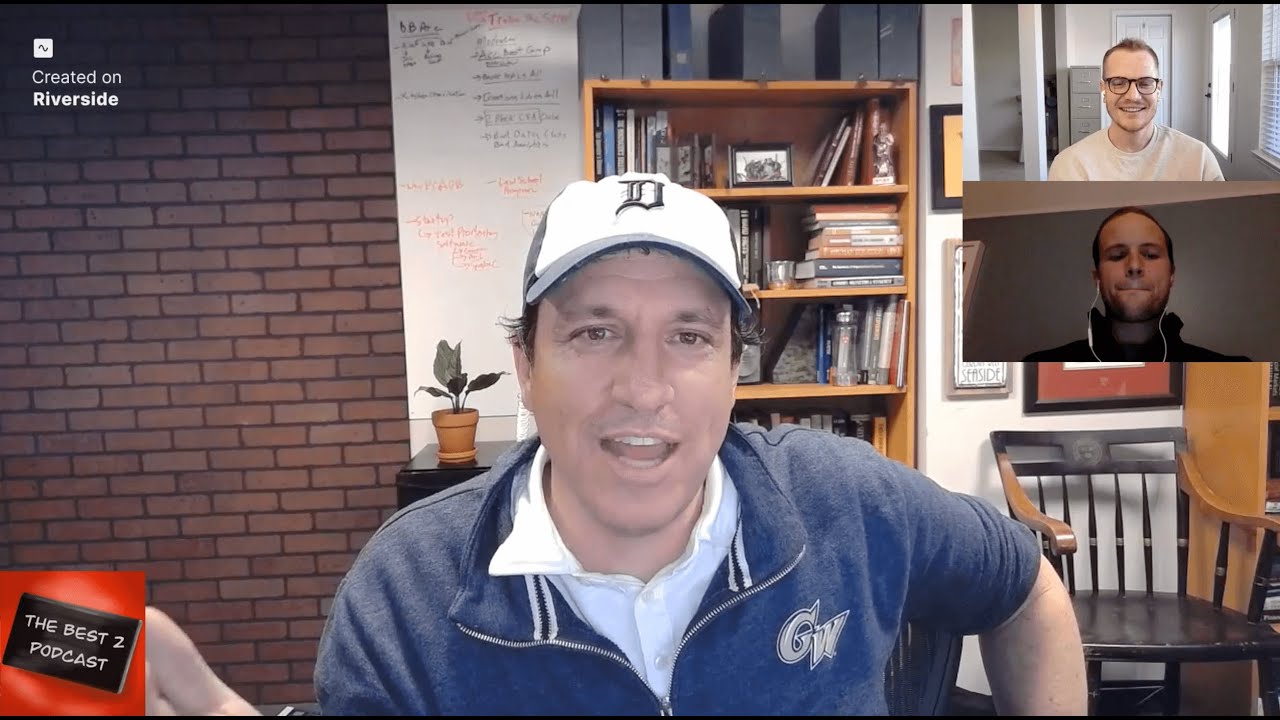
In early 2014, before I had even received my mission call, I took a mission prep class at BYU. At the time, I was less than enthusiastic about my inevitable impending mission obligation. But over time, thanks to my professor’s boundless excitement and contagious enthusiasm, I began to see that my upcoming mission, if not at the time, my first choice for spending my prime young adult years, was at least worth the risk. I’ll always be grateful to that bouncy, optimistic mission prep teacher who began to shift my perspective on missionary service. As it turned out, my mission became the single most formative experience of my life. Not only spiritually, but also personally, socially, emotionally, and even professionally. You might know this particular teacher from some off-qued lines among Latter-day Saints, such as, “Jesus doesn’t make up the difference. Jesus makes all the difference.” Or, “It is not a finishing touch, it is the finishers touch.” Or perhaps this one, “Don’t let the world change you when you were born to change the world.” the author of each of these pathy and inspiring mantras and today’s guest is Brad Wilcox. Brad’s a lifelong educator with undergraduate and master’s degrees from BYU and a doctorate in curriculum and instruction with a focus in literacy from the University of Wyoming. He’s author of more than 30 books and has spoken multiple times in general conference. His BYU devotional, His Grace is sufficient, remains the most popular speech ever delivered on the BYU campus. Within the church, he served as a member of the Sunday school general board and his first counselor in the young men general presidency. Brad served his mission in the Chile Vignia Delmare mission from 1979 to 1981 and later returned to Chile as president of the Chile Santiago East Mission from 2003 to 2006. On this podcast, as you might know, I often invite a friend or family member who brings a meaningful connection or unique perspective to the guest or topic. For this episode, my wife Jess, a former elementary school teacher, joins me as we talk with Brad about his career journey from a sixth grade classroom to the university lecture hall, his unique research interest in the study of names, taking gospel study seriously on a mission, mission presidents as mentors, and a whole lot more. All this coming up next [Music] We have ties to you, Brad. We feel like we’re your best friends, even though you might not know us personally. » No, we’re going to claim that title, best friends. good you do in your lives. I’m going to take total credit for it. » Yeah, as well. You should. » Yeah. I just would love to see more young people be aware of this because you’re addressing the very concerns that a lot of them have, » right? Like they think if they go they’re going to be behind in school or they’re going to be missing out on career development and it’s like actually the complete opposite. So hopefully get that through to them. » Yeah. So Jess was going to kick off with the first question for you as our resident educator. » Yeah. So you initially started at elementary school. Is that correct? » Yeah, I majored in elementary education and then I taught sixth grade. » Oh, that’s so cool. So what took your leap from elementary education all the way up now to college professor. » When I was in high school, I took an aptitude test and it said I should be a priest or a rabbi. And that’s not good news for a little Latterday Saint kid. So I went on a mission. I served in Chile in the Vineyard Delmare mission. And then I got back from my mission and I was a freshman at BYU. And my dad said, “You need to take one of those career exploration classes.” He said, “Dad, those are for the people who don’t know what they’re doing.” And he said, “You ought to take one of those career Yeah, because I was changing my major about every three weeks. One minute I wanted to be in journalism, the next history, the next I wanted to be in music, the next I wanted I mean I loved everything and I couldn’t decide where I wanted to settle. Well, I took the class and they said, “We’re going to do an aptitude test.” And I said, “It’s just going to say I should be a priest or a rabbi.” They said, “This is BYU. We took that one off.” Oh, good. » So, I said, “What’s next on the list?” And I took the test and it said I should be an elementary school teacher. » Wow. And I thought, “Why should I do that?” And then I thought, “Why not? I mean, elementary teachers teach everything. One minute I could teach history, the next minute I could teach music, the next minute I could teach reading, and the next minute I could teach math.” You know, it it was just a perfect place for me to land and I love the variety, but even more, I love the fact that I could make a difference. It was really exciting to me to be able to feel the feelings that I had felt on my mission. Feelings like, hey, I matter. What I’m teaching matters. this is helping. I’m part of the solution instead of part of the problem. And it rekindled all those feelings from my mission. And so I taught sixth grade. I’m still in touch with some of those little sixth graders. They have kids who are on mission themselves. » Wow. » I taught for three years. Then I went to get my masters and I found I enjoyed teaching future teachers as well and helping and nurturing and mentoring them. And so when an opening opened up at BYU and they said, “Hey, if you’ll go get your PhD, we’d love to keep you.” Then I thought, “Okay.” I bit the bullet. I took four little kids and my wife and we went to University of Wyoming and I got my PhD and then I came back and joined the faculty at BYU and then I switched over to religion department just about maybe eight years ago because it was after I had served as a mission president and they had asked me to teach the mission prep classes where I met your husband. He was one of my students. » And then they said, “If you’ll move over to religion, we’d like to have you teach you the scriptures.” And I thought, “How do you not want to teach at the scriptures?” So, I went from teaching senior girls who were in their last year of their elementary ed program » and who had school all figured out. And the lowest grade I ever gave was a minus. 18 professional boys who have a long way to go. » Yeah. » Brain’s still maturing. » No. » So, as a university professor, obviously you’re expected to research and publish and do those kinds of things. And one of your research areas was anamastics, if I’m even saying it right. Is that right? » The study of names. » What even is it? And what caused you to be interested in it? I was fascinated in it because I was working with students. My PhD was in literacy, so teaching people to read and write. And back in the Harry Potter days, all the kids were writing stories and all their stories were about Hagrid and Dumbledore and Hogwarts. But I told them they couldn’t plagiarize. So they started writing about magwood and bumblebear and pigs warts. I mean they just would make up their own little names. And I figured out that I could actually identify who was writing by the names they were choosing or making up. And then I started thinking about the Book of Mormon and thinking, huh, there’s a lot of interesting names in the Book of Mormon. And would it be possible to identify an author like Joseph Smith through those names? Well, we spent about 10 or 15 years doing that research. I teamed up with some wonderful professors who were in statistic, who were in linguistic and we did all kinds of studies on that and we found that no we could identify by his names because he gravitated the same sound even though he said I’m basing these names on ancient language. ages, but we found what we ended up calling a phono print, a sound print. Have you heard of word prints? » Word prints. They can identify authors by the words they choose. Oh, » and they’ve done word print studies on the Book of Mormon and found that it wasn’t written by Joseph Smith or Oliver Calgary or Solomon Spalding or some of the other people people are so quick to name as the authors of the Book of Mormon. In fact, in the word prince, they actually found that the book was written by multiple authors, which is what we claim. They could actually tell a difference between the writings, the writings of Nephi, the writings of Elma. And so we thought, well, would that translate down to the sound level, the sounds they’re coming up with as they’re creating names. And it’s been fascinating. I won’t bore you anymore with a lot of the details, but we did find that we could identify a sound print for Solomon Spalding. We could identify a sound print for Fulcan, but we couldn’t identify sound prints for Joseph Smith. Rather, the names in the Book of Mormon actually started following the natural naming patterns that you see in sentence names that come from different cultures, that come from different backgrounds and are more unique in their pattern. So that was interesting. And then we broke the names out by Lemoni, Nephi, Jerichi, and Mulikite names and found that they were very different from each other, statistically significant difference. » Wow. And so it sure makes us realize that there’s more to the Book of Mormon than people blow it off us. They’re so quick to just say, “Oh yeah, it’s just a fraud. It’s fiction. It’s written by Joseph Smith.” But when you look in depth, we were fascinated by how unique the Book of Mormon is. And the names in the book actually stand as testimonies that the book was not written by any single author. And if it was, that author was sure not following patterns that most authors use. I’ll have to connect you to another podcast where I talked about that and yeah, you can learn more of the details. » Well, I was wondering if you’d published that paper somewhere also. several in fact we won an award in a journal where we published Tolken’s phon » and identifying his phon and then we published in academic journals like one called names which is the journal of the American moastic society and then we published in latter day saint venues as well » that’s awesome » so teaching children is very different than teaching adults and even in a church setting. I feel like when I’m in primary, it just flows so naturally and it’s so easy. But then when you get called to be the gospel doctrine teacher, it feels more tense. And so I always » speaking in general conference. » Yeah. Fine. I don’t wish that upon myself. » But I’ve had good really good institute teachers over the years who could just teach well and teach adults well. And I always admire that. And I just I guess my question is it’s one thing to teach students, but how do you teach teachers to teach well and connect with their own peers and audiences that are not six years old? I just find that very fascinating and it’s a real skill. » Casey Griffith at BYU just did a podcast, a limited series called Gospel Teaching. People can find it at the Religious Studies Center website. But it was fascinating because he interviewed outstanding teachers and asked them that very question. And you’ll be interested in some of the things they said. I know in my own experience I think well maybe God has been able to use me to teach adults because not in spite of the fact that I majored in elementary education but because I did because I’ve spent my whole life trying to bring things down to a simple level trying to find analogies and example examples that could help a young child understand. And so when people say to me, “You have helped me understand grace. You have made it so simple.” Or, “I liked your book on the atonement because it was made so simple.” » And maybe God needed a teacher. Maybe she has enough lawyer that speaks at a very adult level and analyze things in a very adult way. Maybe he needed somebody who could try to just explain complex doctrines in a way that people can grasp. So, I’m grateful for the experiences I’ve had teaching children because I think that prepared me well for teaching adults. And vice versa, when I teach adults, like in general conference, the best compliment I got was when a father said to me, “My son, my 12-year-old son actually put down his cell phone and listened to you.” said with the first talk in the whole conference he sat down and listened to » and I thought well » okay » very easy to listen to » the teacher now and again » well you do really have a gift the ability to think about something complex and distill it into something simple and then you’re a good like linguist right you’re pathy there are things that people remember from your speeches that are really meaningful that become like mantras of their lives so because of your ability to teach and speak you’ve influenced many more people’s lives than you probably are even aware just because of the platform you’ve had and the role you’ve played. I just am wondering if you’ve been able to reflect on that and about how cool that is. » Well, thank you for your compliment. That does mean a lot to me. I was speaking with President Nelson’s daughter and I said, “Does your dad even know the impact that he has had in my life, in the lives of so many and how everybody loves him.” And she just started to laugh. She said, “I told him that one time.” I said, “Dad, everybody loves you.” and he said, “Except all the people who don’t.” And I would have to say the same thing on a much smaller scale to you. I appreciate those who have responded well to something I’ve offered, but I know there are others who don’t. I mean, we’re talking about keeping things simple. Some people get very critical because they say, “I oversimplify things.” So, I don’t know. You just start figuring out what you’re doing is for God. And if he’s okay with what I’m trying to do, then I can’t think too much about how many people are responding well or how many people hate my guts because as you said, Jessica, as a teacher, you’re trying to love. You’re trying to connect. And I just can’t afford to walk into a classroom and be thinking, “All right, which one of you is going to post something negative about me on your social media?” Because then I get defensive and I get guarded and I hold back and I can’t hold back. I think the same thing could be said for missionaries. I mean, there are people who say, “They were my angels. They saved me. They changed my life.” But look how many people scream at him in the street. I mean, they don’t even do anything except wear a name tag that says Jesus Christ on their chest. And how many people are they swearing at him, calling him all kinds of names. And these are young men and young women. Mother Teresa said, “When you love, you open yourself to hurt. When you love, you open yourself to criticism. When you love, you open yourself to pain. But love anyway.” And that’s what Heavenly Father does. That’s what Jesus Christ does. That’s what President Nelson does. love anywhere. » So, I want to go now into your mission. We’ve kind of given some background on your career and your quote unquote secular side of your life and now want to know » I don’t know is more » they’re pretty well intertwined. » Yeah. You start realizing that everything is the spiritual side of your life. Yeah. That’s a thing that missionaries need to learn because they come home from their missions and they say, “Oh, now I have to get back to real life.” And right, no, no, your mission was real life. Keep living like you were on your mission. » Yeah. Well, if I ever write my book, the core insight is that you can get some beneficial things from your mission by, you know, learning how to plan a schedule and learning how to do your dishes. And there’s degrees of value for each of those things, but you will not get the core deep values of a mission, things that really matter. Things like learning how to love, learning true sacrifice, lots of those things without the spiritual side because it is so tightly intertwined. So the rug pull is that you actually can’t disentangle secular from spiritual. » Yeah. The closer we weave those, then I think the happier we are because then you see purpose in some of these mundane things that you’re doing over and over just to earn a living. » Instead, you just start realizing that you’re making a life. I always tell my students, your journal is not a record of your life. If you want a record of your life, write a little life sketch that it’s short enough that your kids will actually read it. But a journal is a tool for making your life. And that’s that interwining of life and the spirituality that really make every day worth living and not just Sundays. So, this might be a silly question, but had did you always plan on serving a mission as a young man? Were there ever any points where you thought, well, I’m not really sure about this? » I think every kid kind of has to say, do I really want to do this? And part of that’s just out of insecurity and fear. It’s not, well, is there really a God and does he really have a prophet? And did the prophet really say that everyone should? It’s not that. It’s more like, » am I up to this? » Can I really learn a language? Can I do this? And I think that fear often gets translated into, well, I just don’t know whether I’m miss for me. But if we can replace the fear with faith, then we realize that in the strength of the Lord, we can do all things. I had two older brothers who served. My younger brother also served. There were four boys in the family. And my older brothers were great examples of serving mission. And my mom would read their letters. letters children are what we used to use in the olden days » and she would read their letters and we would track where they were being transferred on maps and my younger brother and I I don’t think I ever wrote a letter to my brothers on their mission but boy their missions were having an impact on me and it was because my mom and dad were letting me be part of that. And I think now that missionaries can call home, I still hope they’re writing in their journals, their experiences. » But when they call home, I think it has that same opportunity to involve younger siblings and to say, “Hey, the coolest thing just happened and to get their younger siblings excited about mission.” That’s what my brother’s missions did for me. And so I went on a mission and I went with a testimony, but I think like most I wasn’t as prepared as I should have been. I mean, I have to admit that the first time I read the Book of Mormon, covered and covered, was in the MC Street. And my testimony just grew so much on my mission that I look back and I think, could I have lived my life without learning Spanish? Yeah, Spanish has been very helpful to me, but I could have lived my life without speaking Spanish. Could I live my life without having lived in Chile? Boy, Chile has enriched my life so much. But yeah, I could have lived my life without that. But could I have lived my life without the testimony that grew and became so independent and so personal? Could I have lived my life without that? That’s where I have to start seeing. I don’t know. » I don’t know. » When you arrived in the very beginning in Vignia Delmare is when you serve. What year did you arrive there? » I left in 1979 and the Vignia mission had just been broken away from the Santiago North mission. So I was one of the first 15 missionaries to receive a call to that particular mission. So we were just kind of starting out and I had a wonderful mission president named Gerald J. Day. He taught in Georgia at the time. He was the dean of the business college at one of the universities there and then later became the president of Snow College here in Utah. But he and his wife had such an impact on my life. I think I was called to Chile because they were called to Chile. If they had been called to Minnesota, I would have been called to Minnesota » because I felt like God literally put me with them because of the mentoring, the love, the help, the friendship that we developed. In fact, next Sunday, a couple of other former missionaries and I are going to go visit them and wow, can’t wait for that. So, yeah, I was so excited to be in Philly. But looking back, it wasn’t just chilling. That’s why I always smile when some kid says, “I got called to Austin, Texas. What the heck?” And I think, “Oh, you’re right where God needs you. You’re right where God needs you.” And I felt that when I was there, the mission companions that I served with, people I met, the members I met, the people I had the privilege to teach, all had such an impact on my life. And then how my mission prepared me for the future. I ended up getting called right back to Chile as a mission leader. So I served from 79 to 81 and then from 03 to 06 I went right back to Chile. Not to the same mission but to the same country. And now there’s going to be a temple right in where the old steakhouse used to be and where the mission offices had been built in an old church school that they had used early on. I mean, that’s where the temple’s going to be. And when the general conference came along, when they were going to announce that temple, Elder Kevin Duncan, who was the head of the temple department at the time, he’s now serving in the presidency of the 70, he walks up to me in the parking lot of the church offices and says, “Now, Brad, it’s inappropriate to scream in general conference.” And then he walks away and I’m crawling after like Kevin why would I scream in general conference and he just turned around and he said Brad you’ll be sitting on the stand it’s inappropriate to scream in general I was like what is when President Nelson announced the temple in Vinar I almost screamed » oh my god This is very exciting. So, this might be a hard question. When you were a missionary, not a mission president, what was your most treasured experience? » You look back at each of the areas that you served in and you can remember specific moments when you know that you were there at the right time and in the right place. Whether it was to help a youth who had been assigned to be your temporary companion or whether it was teaching somebody who was very sincere about their desire to learn more about Jesus Christ or whether it was mentoring a leader, a new bishop who didn’t quite know exactly what his next step needed to All of those were wonderful experiences, but I think the experiences that mean the most now looking back through all those years were the experiences where your testimony grew. Experiences where you finally took your gospel study seriously. I read books like Jesus the Christ and marvelous work and a wonder and the miracle of forgiveness and books that I would never have picked up and read if I hadn’t been there on a mission and the difference that Lrand Richards and James Tal made and Spence W. Kimble may in my life through those words. much just can’t be measured. The chance to pray and receive answers to prayer that you recognize to have one on-one interviews with the mission president where you finally stop caring about whether you’re made or zone leader or not. You finally aren’t trying to impress him. The name president on his name badge just fades away and he becomes the friend, the mentor that can answer some of your deepest questions that you’ve never dared to ask anyone. Somebody who can coach you through some of your efforts at self betterment that you’ve struggled with. Those are the moments that I look back at now and I say, “Wow, those are the moments that really gave me a foundation for my life.” Because there’s never been a time in my life when I’ve felt doubts or had questions that I’ve ever thought, “Oh no, now everything’s over.” because I can look back and as Elder Holland has said, I want to trust the things I know about God and the church to help me be patient with the things I don’t yet know. And where would I have ever drawn that place without my mission? Yeah, I was going to say maybe this is a rhetorical question, but how many young people are going to be studying and praying with intent, especially early in their lives, without the benefit of a mission? » Yeah. Because some of those experiences happen when you finally get pushed into the deep end of the pool. And a lot of parents, a lot of young people are hesitant to push somebody or jump themselves into that deep end of the pool. So, we keep a lot of kids in the kitty pool. We keep them in the shallow part of the pool. And sometimes you just don’t learn to swim until somebody stops holding your head above the water. even wrong. Sometimes you just don’t learn if he’s always there answering your questions. Sometimes you have to say a prayer and feel like God’s not even listening to you. Sometimes you have to feel like you’re just hollering out into the universe and nobody’s listening to be able to feel the motivation to keep praying and to keep striving. And then when the answer finally comes, you appreciate it. You understand it so much more. And then you realize it wasn’t that God wasn’t there. It wasn’t that God wasn’t caring. And it wasn’t that God was too busy talking to his apostles and prophets to worry about me, this little missionary down in Chile. I think instead you realize God let my head slip under the water so that he could motivate me to find a way to get up and take a breath and so that he could teach me to appreciate the times when he is carrying me a little more overtly. I always tease with teenagers and I say to them, I remember when I knelt down on the top bunk of my bunk bed. I always close to the top bunk because it was a little closer to Helen and it was a little farther from the sea. And I knelt down there on the bunk. I waited till my companion was done with his prayer because I wanted God’s undivided attention. And I remember praying, “God, are you there? God, are you hearing me?” And suddenly my room was filled with light. And then the car passed. » Yeah. Right. » I was alone again in the dark. See, I always say that and it was a true experience, but I tell that because it makes the teenagers laugh. But I hope it also helps them understand that there are times when a God who is not just worrying about our comfort will step back a little because he’s worried about our growth. And I’m grateful for the mission that becomes a safe environment for us to stretch and grow. » Those are pretty profound principles. » I know. And maybe when we talk to young people, we just need to keep saying, “Oh my gosh, you love the food in Chile. The empanadas are great.” » Right. But no, I don’t think so. deep down, as much as I love empanadas, » that’s not what changed my life. » Yeah. » So, what do you say to those people who are feeling a little bit challenged and maybe more specifically returned missionaries that come home and life hits you or young parents and it’s just like, man, I know that the gospel is true and I know that the Savior’s there and that he loves me, but this feels kind of difficult. And I feel like on my mission when things were difficult, I never felt like, man, I just don’t know if I should be here. I always felt like, no, this is still the right thing. And I still had this bubbling enthusiasm. And sometimes when you come home from your mission, you maybe still have those thoughts of, I know this is true, but I’m not feeling that that bubbly feeling anymore. And that can feel pretty difficult for some people. » Yeah. I think we see the spirit of God like a fire is burning. And then when people don’t feel that fire, they think they’re not feeling the spirit. They’re not feeling the help of heaven. They’re feeling very alone. So I think I propose that in the new hymn book they say the spirit of God like a furnace is working. Now, I don’t think they’ll ever change the hand. I don’t think they ever will. But really, isn’t that a little more like it? I mean, if I come home and I find my house on fire, I’m going to notice. And there are times when we do feel that fire, but not every day. What keeps us going is going into the house and feeling comfortable enough to just keep changing the diapers and taking the trash out and trying to figure out what you’re going to fix for dinner. It keeps us going because we’re comfortable. When do we notice the furnace? It’s when it’s not working. And that’s when we say, “Oh man, I got to do something about this.” So maybe we just need to notice the furnace a little more and recognize that if we felt the fire all the time, we couldn’t get on with some of the experiences that we’re meant to be having in this life. We couldn’t get on with some of the learning that happens in this life. So, we can thank God that it’s not always like a fire. And sometimes it’s a little more like a furnace. You know, you don’t always feel a fire when the baby’s screaming at night and you just cannot calm this kid down. And when you’ve taken your kids to church and you’re like out in the foyer again and you’re thinking, “Why am I even doing this? It’d be easier if I just stayed home with these screaming kids. I still remember the time I was holding my little toddler and I felt this warmth in my chest, but it wasn’t the spirit. It was that he peed on me and I had to go home and change my shirt. But I dragged him back to church. Not because I’d felt a fire, but because I had the spiritual maturity to see that the growth is in the digging. It’s not just when you find the gold. It’s in the digging. The growth, the learning is in the efforts. It’s not just when we finally get the baptism or we finally see a child bear his testimony for the first time. Those are some wonderful days and some wonderful moments. But the thing that gets us through those moments in between is knowing that Christ will meet us where we are and we will have his help. We have access to his power to the ministering of angels to the gift of the Holy Ghost through oures through our covenants. We have access to this power that can get us through and it does. I spend a lot of time in the sacrament renewing my covenants in Spanish because it was on my mission that I finally understood what it meant to renew those covenants and to have that covenant relationship. So every Sunday I says I do it in Spanish to this day. And then I spend time thinking about the Savior, his sacrifice, the atonement, the suffering he went through so that he could offer me the gift of the atonement. And I’m grateful for every one of them. I’m grateful for the repentance and forgiveness. I’m grateful for the resurrection and life after death. And I’m grateful for the comfort and consolation during trials. But I think something that I’ve been doing more lately is I pull out my calendar. » There it is. » Podcast right there. Podcast. And I pull out my calendar and I turn it to the next page and I say, “I need thy help because this is a little scary and this is really important and this I’m not quite prepared for and this I’ve got to get through to that kid and this is going to be my opportunity. And I start saying, I need access. I’m using my agency to choose to welcome your help into my life, into my very real and lusty life, my overcrowded days, my late nights, my early mornings. I need you to abide with me, not just to even fight But all day long I need the every hour. And I think when we use our agency to welcome God’s grace, he is right there. He can’t give it to us if we don’t choose anything. can’t force his health, force his blessings, but he will give it when it is invited. » Well, I have one final question for you and then I’ll let you run here. You’ve seen a lot of people go premission to postmission, whether that’s in your mission prep classes, whether that’s in your church callings, whether that’s your own children. What is perhaps the biggest change you’ve seen in these people from premission to postmission? I think we all see the change. I think we see the maturity come. I think we see the deepened testimony. We watch young people as they stand up speak at their missionary farewells and they read the little talk that mom and dad wrote for them. And then we see them when they come home and they stand up there with so much confidence and they testify of Jesus Christ and their relationship with Christ because of their covenants. I mean, it’s incredible to see. We see the same thing at FSY. We see the same thing at youth conference. We see the same thing at an ironic priest camp or a young women camp and we just see this incredible growth and then we just want to say come on hang in there don’t quit when you live up you don’t give and I would just say, “Please don’t think that you have to just be perfect after you’ve had your spiritual experience. When you come home from your mission and you take your name tag off, you don’t take Jesus off. You don’t take your garments off. You wear Jesus Christ, every day just like you used to wear your name tag every day. And that’s through the good days and the bad days. Enduring to the end does not mean enduring without errors. It means enduring despite errors. And if we could just get that into the kids’ minds and into their hearts, then instead of going home from an FSY being filled with lights and then three days later just seeing them go back to their video games and their social scrolling and their focus on the world. Seeing them go back caring so much about what they hear, think at school instead of caring what God thinks. If we can just help them endure, endure to the end, which isn’t the end of FSY or the end of your mission or even the end of life. It’s enduring to our end which is become more like God, more like Jesus Christ. And as we have the courage to the best and to find that grit to say my faith will endure despite my changing moods. Then we start seeing the changes. We start seeing the characteristics of Christ slowly but surely in our own lives. When people are watching and when people aren’t watching, we see that we can make a correct choice as to what we’re going to do on our computer. Even when nobody’s around, we can have patience with a screaming baby. Even when nobody’s around. And that’s when we start feeling the satisfaction of having devoted our lives to something that’s so much bigger than ourselves and our needs and desires in the moment. Joseph Smith said, “I am a lover of the cause of Christ.” That’s what I am, too. » It’s amazing. Well, Brad, it’s an honor for both of us to get to talk to you today. I I was telling Jess last night, there are a couple of people that I’ve met very briefly in my life. One was Cecil Samuelson when I was a freshman. I walked past him. I don’t know him. I walked past him, but he looked at me and said, “Hi.” And it was the weirdest feeling to me because it felt like he saw into me and actually cared about me. The smallest interaction meant so much to me. I had a chance on my mission. » The one who said hi first. » He said hi first. It was just like I’m a little freshman. It meant a lot to me. On my mission, I had a chance to have a very short meeting with President Gong before he got called into the corner of the 12. And it was like the same feeling where I felt I I suppose it’s the pure love of Christ is what I felt. I share that just to say that I felt that with you in my interactions brief up until now and I haven’t felt that with many people but you’re one of them and so I I really regard you as a very special person. » Well, I appreciate that. I’m far from being an Elder Garnet. I’m far from being an Elder Samuelson, but I appreciate the fact that you know that I care and I love you and that’s very sincere. » Awesome. » Well, thank you so much. All right. » So great to talk to you. » Have a good one, Brad. » Thanks so much. » All right, that’s it for the podcast. How about Brad Wilcox? Huh? Thanks to Brad for coming on. I’ll put a link to the podcast he talks about where he uh goes more into depth on the names in the Book of Mormon if you’re interested. You can see that in the episode notes. If you’re new to the podcast and enjoyed this conversation, feel free to check out some of the previous episodes. People like David Nielman, Thomas Griffith, Carol Given, some really cool people who credit their missions as a foundation for their success. So, I’m staying pretty busy in school these days, so I won’t be releasing episodes all the time. They’ll be a little bit sporadic, but I’m always trying to find cool people to talk to, and I’ll bring those to you when I can. So until then, thanks. See you. [Music] [Music]

Listen & Read Transcript
David Neeleman - Founder of JetBlue, Azul, Breeze Ep. 14

David Neeleman - Founder of JetBlue, Azul, Breeze

David Neeleman

Brazil TBD

David Neeleman, founder of JetBlue, Azul, and Breeze Airways, shares how his mission in Brazil influenced his entrepreneurial journey and approach to building airlines.

About David Neeleman

David Neeleman is a serial entrepreneur who has founded multiple successful airlines including JetBlue, Azul Brazilian Airlines, and Breeze Airways. His mission experience in Brazil played a significant role in shaping his business philosophy and approach to customer service.

Key Topics

  • Mission experiences in Brazil
  • Founding multiple airlines
  • Entrepreneurial mindset
  • Customer service philosophy
  • Leadership lessons from mission

Watch the Episode

Full Transcript

remember when you started your first commercial airline when you negotiated the purchase of a fleet of aircraft with Airbus for hundreds of millions of dollars when you secured facilities like hangers maintenance facilities and office space and hired qualified Personnel including Pilots cabin crew mechanics and administrative staff when you obtained necessary licenses and permits from Aviation authorities and secured insurance coverage for aircraft liability and other operational risks when you established procedures for ticketing reservation scheduling and customer service and built a strong brand identity while while engaging in marketing campaigns to attract customers to ensure profitability I think you get what I’m driving at creating a commercial airline’s incredibly hard but what does that have to do with anything well our guest today David nemman has founded not one but five commercial airlines including JetBlue WestJet the second largest airline in Canada basula airlines Brazil’s fastest growing Airline and most recently Breeze Airways in the United States he was even listed by Time Magazine as one of the 100 most influential people in the world in 2004 Nan credits so much of what he’s been able to accomplish in his career to the two years he spent serving his mission in heif Brazil from 1978 to 80 where he’s previously said in part quote my mission saved me it was the first time in my life that I ever felt like I had some Talent it was quote the defining moment in my life that put me on the path to success in this episode my friend and current Elders Corp president my ward also a former Brazilian missionary joins me to talk with David about the great impact of asul airlines in Brazil past failures introducing new opportunities for Success viewing poverty firsthand as a missionary and resolving to make a difference the christ-like attribute of regarding all people equally and a whole lot more I think you’re going to like this one coming up next [Music] well we’re starting a flight at Dallas and then Frontier added flights and everyone’s matching Affairs so you have no excuse not oh did Frontier add flights into Dallas three days a week and then we do it from Provo American added Provo but are you kid not till October and it’s a lot higher fair but and then Frontier added three flights and so fairs are pretty cheap so man you got a bunch of copycats I just gonna tell you I just bought my Thanksgiving Tri home tickets on Breeze my first Breeze flights so flying into Provo yeah no it’s great man it was I think I got a round trip for 500 something bucks and I didn’t see the other Airlines and the competitors into Salt Lake around that time is 800 Buck that’s 400 tickets so works great for me man I’m thrilled about that that’s good thanks for the business yeah that’s the least I could do yeah well I’m sure you have more like my my son’s in the Provo area too and when I saw the flights I’m like hey you don’t have to drive to Salt Lake and drop off the car at your aunt and uncle’s house and then get a ride into the airport go you can just go right there it’s perfect Friday morning back Monday morning it’s easy that’s right yeah it’s perfect so David in your case you’ve kind of had a life where you’ve accomplished a lot more quote unquote big things than the standard person has in that you’ve launched a bunch of Airlines taking companies public you you were listed in a times list as a 100 most influential people or something to that effect so you’ve done a lot of really amazing you had a lot of really amazing professional accomplishments and I’m curious as you look back on your career to this point if there’s anything that stands out to you as something that’s been most meaningful that you’ve accomplished yeah I’ve had success you know the airline business is is not always good to people but it’s been good to me starting from the time I dropped out of college got into the travel business started my first airline that I sold to Southwest and then started my second Airline WestJet which is today the second largest airline in Canada and then the one kind of probably in the US I’m most known for is Jeet blue and that was great but I think the most important thing I’ve ever done and the thing that affected the most people and changed their lives the most in Brazil it’s the largest airline in Brazil we have 16,000 people that work for us directly and another probably 24,000 indirectly we fly 100,000 people a day we deliver 150,000 packages a day to people who order stuff online and it it’s we’ve probably taken maybe half of the people that work for us out of maybe low income or even a poverty situation and that all came about because of my association with Brazil because of the missionary program so it’s by far the most meaningful thing that I’ve done no that that really resonates with me I sered my mission from 1997 to 1999 in goanna and I remember I would go with the mission president to pick up the missionaries and I remember at that time looking at the boards and thinking there are not a lot of flights to a lot of places here you know everything went through Sal Paulo and it was just I remember even back then and I have no connection to the airline industry but yeah I can see where that would make a massive difference to a lot of people in Brazil yeah we started we started aul um there were about 47 million people that traveled domestically in the US in the in Brazil sorry in Brazil in the US it was 700 650 million and that number today is double it’s over 100 million people and most of those additional incremental Flyers are flown byul in Brazil we serve 170 cities we serve over a 100 cities that nobody else serves where there’s no service 18 cities in the Amazon basin if it wasn’t for us serving those flights it’s either a flight on his or a 5-day boat ride so we bring life-saving medicines and we move a lot of organs for organ transplants and vaccines and all the things that people need to become healthier and that service just did not exist before we started probably the most most important I think company that started in Brazil in the last 15 years and particularly during Co and all the things we did to kind of help out even now with the the flooding in southern Brazil we’ve flown 150 relief lights down we rallied when the church obviously gave us a bunch of supplies that we could move and participated and shell and a lot of different people contributed but we were the Catalyst of making all that happen yeah amazing it’s so cool that you’re in a position that that you have been able to affect that many lives you know it’s not common that people are in that position but to do that is amazing it’s a great blessing it’s interesting because the CEO of aul today is somebody who I took with me from JetBlue to to start the airline down there and he was our our CFO at the time now he’s become the CEO I’m the chairman but he served his mission in Portugal so because he had that that Portuguese language expertise that’s why I selected him and now his son is on a mission in Port allegri and is kind of leading the relief efforts down there you know a lot of pictures of him he was with the president of Brazil’s wife down there and you know coordinating got missionaries to all go to the airport to help unload these relief flights and you know get the supplies to the people that needed them so John Rogerson has lived down there for 16 years and now his kids have been raised there and they’re serving missions there so kind of it’s a really cool story that’s super awesome yeah so something when I was kind of getting ready for this you’ve had a ton of success right aul obviously is a huge success and it brought all of these amazing benefits to the people in Brazil broadly speaking but you’ve had some pretty spectacular if I can say it in a nice way like kind of failures right so the Hawaiian travel business or the Southwest I do think it’s funny that you got kicked out of Southwest because you were too good that’s what I took away from all the things I’ve read about it which is funny but Southwest or even the Jet Blue issu so just curious from your end all these failures are learning opportunities so what are some of the lessons that you took away from those experiences that you’ve applied well basically I was a Southwest and I worked really hard to get them to to do e tickless e travel that they didn’t have that I was able to integrate the airline I got convince him to stop charging off peak fairs on Sundays which saved him $50 million a year I I did a lot of things I was only there six months but herb Keller her said you should have taken a couple years to do that you kind of made everybody mad because we’ve always thought we were the best and we didn’t think that we needed Improvement and you kind of pointed out some areas that that we did so that was an interesting experience but I can still remember herb took me over to Ruth Chris Steak House by Lovefield and said it’s not going to work and I flew home and I was obviously disappointed and sad but WestJet probably wouldn’t be around today or and BL certainly wouldn’t be around today if it wasn’t for that experience and then I had kind of my fing out with the board at at JetBlue and they obviously misinterpreted things and we’re not close enough to it and obviously think they made a big mistake but uh Z would not exist without that and so the the thing that I’m most proud of is isul and isul wouldn’t exist without that when I left the company and I was actually on the board I was a chairman of the board but I wasn’t happy with the way things were handled you know I wrote an email to all of our people at the company and it was probably at that time 8,000 people and I just said look I’ve always taught you that it’s not really what happens to you in life it’s how you deal with it and how you’re able to turn the page and make something good out of something that happens bad and I was born in Brazil I served a mission in Brazil I have love for the people and I’ve always kind of when I was was a 18yearold or 19-year-old boy or 20-y old boy walking through the streets of Brazil I always thought it would be so cool to come back here and make him impact and so this is my opportunity to do so and so I’m going to try and make something great from something that I disagree with it’s a bad decision but as will happen because of that so I think the lesson is but you can always have something good comes from something bad it’s just it doesn’t matter what happens to you it’s really how you deal with it and what your attitude is I love the perspective that like you said the best thing you’ve ever done is a zoo and none of that would have happened if all of those things of those other things hadn’t happened necessarily right I got a bunch of people at Breeze saying this is next this will be the next best thing you ever do so or the will have to take its place so but till now is always pretty pretty pretty spectacular you almost need those little points of failure to punctuate change in in New Direction and you get stagnant and stale maybe without some of those larger quote unquote failure experiences that have now bred so many new opportunities absolutely it’s you learn we learn of the scriptures and we learn that there there has to be opposition in all things and that’s how you grow is from trials and difficulties in our lives and not I’m not one that prays for that you know I know some people are like life’s going too good I’m praying for tragedy and I’m like no I don’t do that I don’t want any but things are going to come our way and we need to be able to know how to deal with it and be positive rely on the Lord and things just seem to work out I’ve always thought that having experiences in failure and on the mission because that’s what it is for a lot of the time it feels like an exercise and futility right and uh having that many experiences to fail I think is so valuable to a young kid anyway one of the questions I was going to ask you you know there’s elements of luck in any kind of success but there’s also hard work lots of times creates a climate in which you kind of make your own luck but I’m curious as you trace back the history of your professional career what are some things that you feel that you did that were most beneficial to your Career Success you know I think realizing my strengths my weaknesses and surrounding myself with people who complement my weaknesses and kind of giving credit to other people and doing it as a team as opposed to trying to do things on your own and then just looking outside the box and saying you know can we do this differently than everyone else is doing it why do we do things a certain way and I think that’s why I’ve had success in the airline business it’s an industry that is kind of mired in certain tradition so I just try and look at things differently and then surround myself with people who can complement my weaknesses and to help Implement those things so I’d be interested to hear your thoughts on leadership and leadership styles I mean I’ve been fortunate to see leaders in a lot of different Industries over my career and it’s interesting because you have some that are super passionate or compassionate and some are cold right they may call it it’s all business right curious kind of what your style is and who your biggest role model was or is helped you get to that point I was a big fan of her keler even though he fired me he was somebody who cared about people people looked up to him they followed him he was someone who built a great company culture and so I was enamored and in love with Southwest before they even acquired us and so I think I would probably classify him as my top Mentor you know had the opportunity to be at his funeral and pay lot respects to him he was a really great man but I I’d like to categorize myself as kind of a servant leader with all the turmoil in the US job market it’s a lot harder today to necessarily be the best job you’ve ever had and because people seem to be just a little more discontent but in Brazil the reason I’m so in love with what we did down there is we had this thing we would teach and ask people is this the best job you’ve ever had and and if it isn’t why not and so just walking around the company saying is this the best job you’ve ever had what can we do better just always that striving for Perfection always striving to be better knowing that we’ll never reach Perfection but at least if we strive for it we’ll be a better and better company and so I think that’s the the this motto is really make it a great job for people if they believe it’s the best job they’ve ever had if they’re grateful for their job then they’ll just do a better job our turnover in Brazil is almost zero you get a job at Z you never leave be at a flight attendant pilot mechanic you know intervie other positions like call center and all that so we treat people really well and so you want to be able to create a culture where people not only see it as a job but they see it as a kind of a cause a passion and that’s not easy to do is easy to sustain but that’s what I’ve I’ve tried to do as I’ve built my companies just a funny story years and years ago I had read an article about a CEO who on their planes would get on the plane and help out and serve and and I had I read this years ago and it wasn’t until I was getting ready for this that I found it again I thought this is the guy that I read about all those years ago but it Str even back then I remember thinking that’s the way do you want to serve your customers and the people that work with with you like that’s the way to do it go and be with them get down there talk to them don’t be the person in Sea Suite that you never see just go talk to people right ask them what they want what they need what makes them happy what’s fulfilling what needs to be fixed yeah I mean it was always something that stuck with me I always thought it was as comical that show undercover CEO it’s like I can never go undercover no matter what kind of costume I had cuz everybody knew who I was you know you try and lead by examples the best you can and you try and be down there where just where the action is where the really where the money is being made and where people are really serving people that’s really what I’ve kind of strive to do and it was kind of a culture that we set up so you interact with Executives at other companies and do you feel like other Executives have a similar approach and mindset even if it’s not as well manifest in their company I think so I mean I think today especially in the US with the job market the way it is people can kind of go work anywhere so if you don’t figure out a way to take care of your people you know the market will take care of that you have these unions at Airlines and they try and tell you what to do so I don’t need you to tell me how to take care of our Pilots because they can go get a job anywhere and they couldn’t leave us and so you know that and so you strive to be the best going into the mission experience a little bit I heard you talk about with guy RZ about going on your mission you said is this something that you kind of did right it’s an expectation I know it still is culturally familial that’s just kind of what we do in the church and I’m curious what did you think you were going to get into before going was there any thought beforehand that it’s going to be this certain kind of way or was it just blindly I’m going to go and whatever happens happens kind of all of us have serve missions know for sure that it’s not exactly like we thought it was going to be you know it tends to be much different and you know I they just kind of step back a generation my father a couple Generations my great-grandfather was converted to the church in Holland and he immigrated to Utah with his family and through a series of events they didn’t stick with it the church and they ended up he ended up moving to California and my grandfather was born in Salt Lake City and he had five sisters that were born in Holland and he was born in Salt Lake but he wasn’t raised in the church so when he ended up marrying my grandma who was a member but he wasn’t member and they’d never been baptized so my father was 9 years old when my when my grandfather drove down to La down to California to visit his father his grandfather as he was kind of failing and helped and oh great-grandfather Simon Peter pulled out a warn copy of the Book of Mormon and said I’ve been hard-hearted you know we’re Dutch so obviously that comes with the territory I’ve been stubborn I want you to go home and I want you to both get baptized and he died shortly thereafter so my grandfather did as his father asked him he drove back to Utah and my father and my grandfather were baptized on the same day my dad was N9 years old but because he wasn’t raised in the church and he didn’t really attend that much and it wasn’t until my dad was kicked out of primary for being kind of unruly and it wasn’t until my dad met my mom that he kind of started going again and started to really filled that it was filled the spirit and thought it was important and kind of on his own he decided that he wanted to serve a mission and this was in the early 50s he graduated from high school in 52 so this is probably like 1953 54 and so we went to my mom and said I want to serve a mission and she said well gez I wanted you to get back in the church but I wasn’t sure I wanted you to go that far so my father got called on a mission and as fade or not luck but you know inspiration what have it he was called to Brazil didn’t even know where Brazil was and so he always joked that they invented planes while he was gone CU he went down by boat by ship from New York and then he my gosh flew home but that experience changed his life and it was a two and a half year Mission and he actually extended for three more months my mom’s like are you kidding me are you and so they they came home my dad came home and they got married and the first thing my dad said as he got off the airplane was I want to go back to Brazil I want to be there I want to go back and be with those people so he got a job as a Ford correspondent for United Press International and had the opportunity to go back there and we lived there for seven years and it was during that 7 year period the time I was born there in 1959 and so I have citizenship of Brazil because I was born there and then we moved back to the US and well I was only five years old and so we it was Portuguese was my first language but because I was too young we kind of lost the language and my Mom and Dad claim they tried to keep it up in the house but uh weren’t successful so then I was called back to Brazil because I had part in part I think because I had a Brazilian passport uh and visas were kind of hard to come by at those times but it was interesting because as an expatriate kid and then we would go back and visit my dad had lots of friends a and my dad had a great career down there as journalist he interviewed Fidel Castro he was there when Brazil was kind of just trying which side to go with Argentina or if they were going to go into communism or they’re GNA go with Cuba or yeah and he had just so he stayed busy your dad stayed busy yeah he had a he has written a whole book about the experience he’s written several books about Brazil but one of them he talked about his life as a correspondent but when I was a teenager going to Brazil I thought wow this place is better than the United States because we were kind of lower middle class living in the us we’d go to Brazil and beautiful beaches and eat at the finest restaurants and go to these sports clubs and hang out with all our rich friends but then when I was called back to Brazil that wasn’t my experience at all I was in the favellas I was walking the streets all those rich people that I knew didn’t want to hear anything about the gospel they were behind the walls and I was out with the oov you know the people and it really upset me you know I felt like I thought we should you know I can see why people want to overthrow governments and why where socialism comes in because we have the halves and the Have Nots and there were maybe 20 million people that H were halves and the rest at that time it was about there were 110 120 million people in Brazil most of them 80% were have kns and so that was when I I kind of resolved to go back and do something for Brazil but the thing about my experience as a missionary one of the things I learned later in life when I was in my early 30s after I sold Morris air to Southwest aines my mom sent me this book and the book was it was called driven to destruction and it was written by a guy named N Hell he’s kind of the foremost expert on attention deficit disorder he’s written several books his latest book is ADHD 2.0 it and I couldn’t read the book because I never read anything all the way through but I did read the the characteristics of of someone with ADD and I was like wow it was a huge Revelation and so as I think back in high school I was a horrible student I could barely get through high school I scored really low on the ACT I got in the University of Utah just because it was a state school and they they let everybody in at the time did poorly in school and then I went on my mission and that completely changed me my mission taught me how to focus it taught me how to be disciplined it taught me how to be successful i’ had never really done anything really successful in my life I had leadership positions on my mission I had had a lot of success converting people and so between that experience of seeing these really poor people and not totally thrilled how they were being treated but also that they were happy and they were content with very little and just me changing myself from being more disciplined and having a relationship with the Savior I I think I can attribute all the successes of my life to those two years walking those Dusty streets in northeastern Brazil I I shudder to think what I would have become had I not gone on a mission it really did make me a different person a better person somebody who could be successful as a father but also as a business leader and everything because I learned to be egalitarian I learned to really think about others like we were taught to do as missionaries I feel like on my mission that’s where I really started to understand the term Christlike love right as you looked around at different people who are completely different from me right and the people I grew up around but you realize these are amazing amazing people right the kindest happiest yeah it’s such such an amazing experience I spent a lot of time in Portugal cuz I did the privatization of tap Portugal Airlines so so the first time I went there and I was in a cab driving to these the government offices to meet with the ministers and I couldn’t hardly understand what the guy was saying because Portugal portugueses oril but yeah through kind of his crazy Portuguese I asked him if he’d ever been to Brazil before and he said yeah I’ve been to Brazil I said what’ you think he said well I couldn’t believe it what do you mean well I was in Fort ala and there was all these people that were in abstract poverty living on the hillside and they were so happy he said here in Portugal we have everything and we’re miserable so I thought well that really sums up Brazil there really are a lot of happy people that obviously there’s misery there and there’s particularly now in in southern Brazil but you know their outlook on life is and they’re very spiritual people as well and I think that probably helps with their happiness yeah I think sorry to interrupt you it no no I it’s amazing place and I think everybody loves their mission right and grows to love the people that are there in a their own special way but for me it’s been I tried to keep in contact with different people and like you said it’s just it’s amazing how we can live such vastly different lives and then they’re just happy right happy and they love the Savior and they find a way to to find that that happiness in their life but yeah I mean I think everybody loves their missions but I think Brazilian missionaries are kind of like a I was talking to one of my colleagues at work one time and he had served his mission in Holland and but he told me two of his brothers had served in Brazil and I said how’ they like it and he said oh they’re just like every other Brazilian missionary return missionary they’re so arrogant they think it’s the best place on Earth they speak Portuguese they eat Brazilian food they just think they had the best mission of all and discount everybody else I wow yeah that’s kind of true is you know it is it’s a great place to serve a mission for sure yeah yeah totally so you grew up there and I only served a missionary but you kind of what didn’t grw up there you’re born there vacation there served your mission there and then like those experience you’re talking about right where you’re exposed to some of the poverty and some of the people that are more humble did that change how you when you move there to kind of launch a or the time you spend there now like does that change how you I guess interact with people or how you live there yeah I think it I think the the coolest thing I learned about on my mission was if it’s somebody who’s cleaning the bathrooms at work and they’re scrubbing the toilets or somebody who’s your CFO you just treat them all the same you know you treat everybody with love and kindness and that’s what I learned on my mission that that we’re not really bad in God’s eyes we’re all equal and I think in large part we’re going to be judged on how we treat others particularly those that can do nothing for us you know know it’s I think it’s kind of the true measure of a person we can all kiss up to people who we want something from or gives us status or whatever but it’s the humble the the PO in heart and the PO in spirit that Christ taught us about how do we treat them and how do we value them because those are the people really that Christ and our heavenly father value more than really anybody and so that’s really I think in large part that’s what we’re how we’re going to be held accountable I I have certain specific instances that I could look back on and I could say I remember this right and it was super super impactful in terms of treating people the way you’re describing realizing that listen we’re all brothers and sisters doesn’t matter where we land in life let’s just let’s just be kind to one another do you have any specific stories or things that you remember you’re like oh that’s when I really like clicked in my head you know I don’t know I I think it was just the whole experience when you get to Brazil for the first couple months you’re kind of in shock right you’re in culture shock and that transformation of trying to compare everything in Brazil to what you left at home kind of melts away as you fall in love with the people and you see their hearts that people who have nothing would give you scrape together whatever they have to cook have you have a cooked meal of rice and beans and some little piece of chicken or something so I think that really is it just absolutely changes you for sure and it makes you different and there’s hundreds of specific interest instances where you met people or they had an impression on you and they changed you and that’s really the defining characteristic of serving others you know it’s the great Commandments to serve God and to serve each other and to serve your neighbor and that’s what you can do as a missionary 100% of the time you’re constantly serving your companion or serving somebody else and I remember when I left my mission my mission president who’s still alive and lives living in Brazil we have a WhatsApp chat group with all my missionaries and I go a couple days without seeing it and there’s 200 messages inspirational messages that all these missionaries here we are 45 years removed from the experience and they’re still all connected and with our mission president but when I said down with him in my final interview he said Elder Neil and you’re going to go home now and for the last two years you’ve been thinking about others it’s all about serving others and serving your companion and you’re going to have to switch now and you’re going to start thinking about yourself you’re going to go to school for you you’re going to do all this stuff and I can promise you until you can kind of pivot back and figure out how to serve others you’ll never find the same happiness that you’ve had for the last two years and so make sure that you balance that and as you’re kind of doing everything for you make sure that you can keep serving others and so obviously you get married and have a bunch of kids there’s certainly lots of opportunities to serve especially if you’re running a company you can kind of watch out for others as well what I find so interesting about this all is David you served in what 70s 80s 80 78 80 Spencer you served in the 90s whatever both in Brazil I served 2014 2016 in Cambodia and despite difference in time despite difference in location the experiences that each of us had are really like they’re almost identical everything that you’re talking about of going into somebody’s home and then not having anything and yet they’re buying you a sandwich and you’re like what are you doing you don’t have you know that or the importance of service or some of these just really tentpole things no matter where you are if you do the program even within the United States my wife served in Florida and we think that third world countries are crazy because they can be but let her tell you some stories about what happens in Florida and it’s it’s it’s just crazy and it’s just like if you sign up for the program it’s a universal experience uh nearly Universal experience I would say that you come away with these kind of knowledge of the importance of service and the goodness of humanity and some of those really deep and really abiding principles things that you draw from for the rest of your life absolutely it’s just a absolutely it’s it’s amazing that a 19-year-old that 18yar old I guess can sign up and you can almost guarantee that you’re going to have this life-changing experience just by virtue of taking a leap you know absolutely I mean Prett fantastic the spirit’s there the spirit teaches and it purifies you if you’re doing what you’re supposed to do you know I have a Cambodia story I was the war Mission leader in Connecticut and one day I was at our local farmers market and a Gentleman came up to me and said my daughters know your daughters and this is my little daughter Khloe here and she’s friends with your daughter Vanessa and I said nice nice to meet you and so I just kind of went on my Merry way and then he tracked me down and he said I got to tell you I don’t know what you guys are doing in your house but it’s working I said what do you mean well when your daughter came over to our house she wanted to bless the food and she’s like 10 years old and then my little daughter Khloe goes over to your house and she said you guys read the Bible every night and it’s really cool I just want to let you know that so I said to him why do you come and then he started kind of bagging on his own church saying we don’t get that kind of stuff at our church and so I said why don’t you come worship with this so he came and brought his two daughters and his wife and over a period of about 5 years they ended up getting baptized and so there was Phoebe and Khloe so Phoebe goes off to BYU and she had been to efy a couple times and then Chloe was kind of The Reluctant one she didn’t want to get baptized but kind of a miracle happened where he went to her counselor school and her school counselor knew a member of the church had convinced her to get baptized IED so Chloe goes off to BYU and I’m like I wonder how Chloe’s going to like that experience she’s didn’t really necessarily it was kind of new so next thing I know Chloe decides to go on a mission and she gets called a Cambodia so she went to what’s her last name sister Davis okay I was there when she was there I followed her whole experience and read all of her emails because when I sat down with them Chloe was C would he wasn’t coming to church so I sat down with with her mom and dad and her sister and her sister was saying I want to get baptized and I said Phoebe wants to get baptized and they said well not without us I said what about Chloe oh Chloe she’ll just get baptized oh Khloe got drug into to the to the church and went on a mission and had a tremendous experience in Cambodia and then ended up meeting a guy who served in Thailand and they got married and had a baby and now they’re living in New Hampshire and doing great so that’s my Cambodia story that’s a good that is a good tie yeah she’s uh older than me in the mission but I was like Cambodia are you kidding me what are her parents gonna say about that I know I know they’re like we’ve reann nowc everything it’s pretty funny pour out yeah no look you guys can talk all you want about Brazil being the best Mission but I think we all know it’s skim put well that’s the gift that our savior gives us if you agree to serve he’ll make it that way so what would be your C to a returned missionary who once testified of the gospel of Christ and the power of the atonement and now has come home and things change and they may be harboring some doubts about the things they once testified of how would you councel that person yeah you know I think it’s i h have nine children and they’re all strong of the Gospel all marri in the temple U I’ve been so blessed and I think part of it was during the time that we were I was a word Mission leader I had a lot of people having dinner and I kind of inoculated my kids to a lot of this historical stuff that gets people all upset which is kind of ludicrous and so I think that helped a lot but I when I got my pastoral blessing and I was 18 years old one of the phrases in in my patal blessing said that your testimony will you’ll gain a testimony from seeing the lives of those who follow the Covenant path versus those that do not and the happiness that it brings to them and I think when you read in Matthew 7 about by the fruits you shall know them what what I’ve you know come to believe and obviously it’s pretty disheartening when you have people who have been on a mission and testified of Christ and found a lot of happiness and then through some historical thing different versions of the first Vision or polygamy or some of this stuff they lose their faith and the saddest thing about losing their faith is that the vast majority Maybe up towards 90% not only lose their faith in in the restoration of the Gospel they lose their faith in Jesus Christ and they lose their faith in God and they are miserable and they really are and and somebody should could dispute that and say oh I’m not I’m liberated I’m happy and I love wine and it tastes awesome and all that kind of stuff but I just really believe that the true happiness of the Gospel comes through following the Savior and I’ve been watching this podcast there’s this podcast called come back come back podcast and the host is a young lady who left the church and had been through rehab was a heroin addict been through rehab 14 or 15 times and then she came back to the church just by reading the book of Mormon at least one verse a day brought her back and the joy that she has now versus the misery she had not living the gospel she decided to share that with others but also have others tell their stories and I don’t understand the vital against I was sitting at sacrament meeting today just the sweetness of that whole meeting and we had a missionary farewell that was the sweet sister was uh going to the church history sites in New York and then on to Canada and I thought wow why would anyone be vitriolic about this and I think there was a guy that was on the kbach podcast and he went deep went deep on the doctrine went deep on the historical stuff and he really wanted to know if Joseph Smith was a profer or not and he said at the time finally got to the conclusion that it was a 50-50 proposition and that yeah you can argue both sides and both people could argue it effectively but he just decided he was happier Following being in the church and raising his kids in the church that he was when he wasn’t and that was the determination that was the determining factor that brought him back and so I just think I wouldn’t trade my church experience and I really do feel sorry for those people that not only leave but they’re angry about it they feel like they were deceived or lied to it’s it you’re missing the whole point about the gospel and being a a follower of the Savior and living after his principles we we’re promised that if we do that we’ll find happiness I had a really great conversation yesterday we had an Elders corm activity and afterwards I was chatting with one of the brothers and we were talking about the youth right and the challenges that the youth have talked about missions kind of the the whole gamut but one of the things that we he and I talked about was the desire that people have to feel to feel something right and as you look around I think that drives a lot of the different protests or the different things that people want to get involved in and they’re trying to feel those things and as I thought about it I thought the gospel fills a lot of that right it really helps provide that direction it provides that that the feeling the spirit will give you gives you so so much and I think all these are things they may be good they may be bad but they pale in comparison to the gospel right and the feelings you can get from it yeah I mean this the anxiety the depression the suicide rat so we have all this Prosperity I mean today we were learning about King Noah and all the way he kind of corrupted his whole society and it was only 254 years after King Benjamin’s address where everybody was of one heart and one mind so it’s really easy to fall away but then you’re just really miserable and everyone’s searching for something today and they just don’t have know everybody tells you you want to be happy in life get up early get some sunlight go work out eat good and Find meaning and purpose in your life there’s no greater place to find meaning and purpose in life than in the restored Gospel of Jesus Christ with ample opportunities to serve and to take care of others and to learn great principles and you know I couldn’t be happier I shudder to think what my life would be like without that my in the lives of my children I think that going back to like you said it it comes down to a choice of it’s all either true or it’s not and to me there’s a lot of Beauty and the struggle anything that is worth doing is hard and go back to a mission a mission is really hard but it’s worth doing you think of stories throughout time you think of fictional stories Lord of the Rings if they were like look froo you just have to take this ring and go throw it into the mountain but you know you’re going to have a terrible time before you do that if he decided you know what too much work you wouldn’t have a story and there would be nothing to tell and I haven’t yet had a faith struggle but I’m empathetic to those people who do and I just think man it if you have to choose one way to have your life go choose the struggle because there’s Beauty in the struggle and I I hope that they do that but anyway that’s great to hear your perspective on that so last question for you what would be your top piece of advice that you would give a a young kid who is questioning going on a mission and talking to 16 17 18 year old kid what would you tell them if you were to give any advice to them so the first thing I would say is prepare yourself spiritually so that you get that confirmation that you should go don’t go because someone want you to go because missions are hard and they’re difficult but they are lifechanging and they will affect you for an eternity so get your life in order make sure that you’re following the Commandments that you’re doing all that you should do and then prepare yourself for that answer and when you get it Go and and if you do go you’re going to be there for 18 months or two years it’s just the way it is I I kind of had this feeling that if I was coming home I was coming home in a pine box I’m not gonna there’s no way I was going to come so you burn it was about 3 months in where I was homesick and I just said my you know I was kind of Crossing off the days on I calendar or thinking man i’ I’ve heard rumors are going to shorten these things 18 months wouldn’t that be great to chop six months off of this thing and get home and then all of a sudden I realized I got to be here anyways I can be the best or I can just kind of be miserable and so when I made that switch where I just said I want to be the best I want to take I want to just take advantage of every single moment of this Mission and my last 6 months were my best and I kind of pity those guys that went for 18 months actually they didn’t get the last 6 months and that was when I spoke the language the best I was assistant for the last seven months we were we were in a part of Brazil where we were up north and with the whole revelation of I got there in October of 78 the Revelation came in June of 78 and so we were just like walking knocking on doors hey we’re here from the Church of Jesus Christ we just arrived and people were just like falling into the baptismal f it was unbelievable we were baptizing 2,000 people a month and we were turning branches into stakes in in 6 months and it was a time it was probably like England in the 1800s and so because I just made that switch I was able to participate in that grand miracle that was going on in the north of Brazil and we was to look at other missionaries that were trunky their whole missions or basically weren’t giving it their all that was the advice I gave my kids just go out there and work every day your hardest and the Lord then it’s coming up at spiral the Lord blesses you and you have the spirit with you and you love it and you get more into it and you have that life changing experience so don’t go out Half Baked and then when you get there just give it your all every day and the Lord will bless you absolutely he’s promised this that that’s tremendous well awesome David we’ll let you go but it’s such a great opportunity for Spencer and I to meet you I think you’re such a humble person and I love how you not shy away from your faith at all in your public Persona and I think that is really remarkable and so somebody that I really admire so thank you so much for your time and for doing this great great how SP great spend time with you and come fly [Music] Breeze you know what it’s not that I know a lot of CEOs or get to talk to them all the time but I have met my fair number in outside of the church and I’ve met a few people who are fairly high up in their different organizations my experience has been that many of the leaders that are church members are super humble like I went camping with a gentleman one time and he and our my life in his life totally different right I mean when you’ve got as much money as this guy it’s so a lot of things are totally different but he was the nicest guy and he give you the shirt off his back and while our lifestyles are different at the end of the day the core beliefs and those shared experiences are the same and it bonds you I think to a certain degree yeah well you also had the fact that it bonds you like horizontally but it’s also a tether right like it tethers you to reality and it grounds you and and that’s one thing that I kind of feel struck by talking to him is he’s a very grounded individual he’s not yeah too big for his britches he understands what’s important and the gospel is a good reminder of that because you’re going every single week and you’re remembering your own in the scriptural term right your own worthlessness before God that you you’re like dust um compared to God and I think that’s a great benefit of the church just keeping that in mind and tethering you to reality and humility and uh yeah yeah I think he said a couple things that I really loved one that we didn’t really like dive back into but I kind of mentally noted it and the other that I think we kind of touched on but I I love his thought process on Christlike love treating everybody the same not not the same treating everyone with love and compassion right treating them like a human but then when he was talking about the gospel one of the things he said kind of flickered my mind was how you shall know them by their fruits and I thought that’s so true about that’s one of the things the mission gives you right is this ability to if you’re all in on the program kind of like you said earlier for foll for doing it what are the fruits love compassion kindness expanded understanding of who different people are and cultures and societies and in what world is that a bad thing right yeah for sure he said another thing that I noted when I asked about testimony as a missionary and it was basically to the the effect of the way that I always phrase it for myself I should say is I’ve seen too much and that’s because of the mission I think before my mission I saw a lot I mean I had really good people around me my parents are incredible examples I have really great War leaders but like man on my mission Isis saw so much so just many many times daily examples of why I chose to believe why I chose to believe this and why other people chose to believe it and that really so much is the core of my testimony and I say to myself I’ve seen too much to let it slip away or to go somewhere else I’ve seen people’s Miracles and I just have seen it over and over and over and I’ve seen how happy it’s made them and like you said that’s a fruit and I’ve just seen too much and I he kind of just mentioned that in passing too and I I think that’s an amazing benefit from a mission that again if you’re home you’re either not seeing as much or you’re not looking for it as much and a mission just puts it right there front and center and gives you the opportunity to treasure up all those things and store them for forever yeah you said at the very beginning a mission is it’s all about failure success yes but it’s a lot more failure than his success and David is such a good example that like we said at the very beginning right this is an individual who was flying high making millions when he was in his late mid 20s lost it all right kind of up and down up and down but he’s also that perfect example to say like listen guys this is what we talk about when we say just keep going you you will be blessed you don’t know the plan you don’t know what God has in store for you but it’ll be great it’ll be awesome whatever it is and not everyone’s going to be a David Nan right they’re not going to that’s unique to him but that doesn’t mean that our lives will be any less amazing just in different ways and I think that’s like you said at the beginning I think the ability to kind of muscle through that you can get that outside of the mission but I think that’s one of the skill sets that I certainly brought home too is say oh okay well keep moving right just keep going resilience faith in the future those are principles that matter no matter if you’re a CEO of a major company or you’re a quote unquote nobody you know that it’s important it’s very important so awesome all right well what a cool experience so fun it’s awesome yeah super cool thanks for inviting [Music] me okay that wraps it up uh it a great episode thanks to Spencer for coming on to help me out and thanks to David for his time and thanks everybody for listening tell a friend fly Breeze we’ll see you back next time [Music] he

Listen & Read Transcript
Eric Mika - Professional Basketball Player Ep. 7

Eric Mika - Professional Basketball Player

Eric Mika - Professional Basketball Player

Rome, Italy 40 minutes

Eric Mika - Professional Basketball Player shares insights from their mission in Rome, Italy and how those experiences shaped their career and life.

About Eric Mika - Professional Basketball Player

Eric Mika - Professional Basketball Player is featured in this episode of The Best 2 Podcast, sharing how their mission experience influenced their personal and professional journey.

Key Topics

  • Mission experiences in Rome, Italy
  • Career development and growth
  • Personal transformation through service
  • Lessons learned and applied

Watch the Episode

Full Transcript

[Transcript will be added here once transcribed]

Listen & Read Transcript
Kenny Matthews & Bronzson Woods - Social Entrepreneurs Ep. 6

Kenny Matthews & Bronzson Woods - Social Entrepreneurs

Kenny Matthews & Bronzson Woods - Social Entrepreneurs

Phnom Penh, Cambodia 1 hour, 2 minutes

Kenny Matthews & Bronzson Woods - Social Entrepreneurs shares insights from their mission in Phnom Penh, Cambodia and how those experiences shaped their career and life.

About Kenny Matthews & Bronzson Woods - Social Entrepreneurs

Kenny Matthews & Bronzson Woods - Social Entrepreneurs is featured in this episode of The Best 2 Podcast, sharing how their mission experience influenced their personal and professional journey.

Key Topics

  • Mission experiences in Phnom Penh, Cambodia
  • Career development and growth
  • Personal transformation through service
  • Lessons learned and applied

Watch the Episode

Full Transcript

[Transcript will be added here once transcribed]

Listen & Read Transcript
Mark Gottfredson - Strategy Consultant & Sr. Partner at Bain & Company Ep. 9

Mark Gottfredson - Strategy Consultant & Sr. Partner at Bain & Company

Mark Gottfredson - Strategy Consultant & Sr. Partner at Bain & Company

Tokyo, Japan 40 minutes

Mark Gottfredson - Strategy Consultant & Sr. Partner at Bain & Company shares insights from their mission in Tokyo, Japan and how those experiences shaped their career and life.

About Mark Gottfredson - Strategy Consultant & Sr. Partner at Bain & Company

Mark Gottfredson - Strategy Consultant & Sr. Partner at Bain & Company is featured in this episode of The Best 2 Podcast, sharing how their mission experience influenced their personal and professional journey.

Listen & Read Transcript
Mark Wiest - Former KSL VP of Sales & YM Advisory Board Member Ep. 10

Mark Wiest - Former KSL VP of Sales & YM Advisory Board Member

Mark Wiest - Former KSL VP of Sales & YM Advisory Board Member

Rosario, AR & Veracruz, MX 43 minutes

Mark Wiest - Former KSL VP of Sales & YM Advisory Board Member shares insights from their mission in Rosario, AR & Veracruz, MX and how those experiences shaped their career and life.

About Mark Wiest - Former KSL VP of Sales & YM Advisory Board Member

Mark Wiest - Former KSL VP of Sales & YM Advisory Board Member is featured in this episode of The Best 2 Podcast, sharing how their mission experience influenced their personal and professional journey.

Listen & Read Transcript
Steven Sharp Nelson - Cello Guy Ep. 12

Steven Sharp Nelson - Cello Guy

Steven Sharp Nelson - Cello Guy

South Korea & New York 1 hour

Steven Sharp Nelson - Cello Guy shares insights from their mission in South Korea & New York and how those experiences shaped their career and life.

About Steven Sharp Nelson - Cello Guy

Steven Sharp Nelson - Cello Guy is featured in this episode of The Best 2 Podcast, sharing how their mission experience influenced their personal and professional journey.

Key Topics

  • Mission experiences in South Korea & New York
  • Career development and growth
  • Personal transformation through service
  • Lessons learned and applied

Watch the Episode

Full Transcript

Full Transcript

it’s 5:30 a.m. in the distant Cambodian province of batong the Sun Peaks above the Horizon as the local market begins hauling in fresh produce for the day having dragged myself out of bed and into the common room I lie on the floor of our two-story apartment still exhausted searching for motivation to do something exercise related a few push-ups at least in the background The Piano Guys 2012 piece The Cello Song plays the arresting Fusion of its eight distinct cellos Wasing over me I could have never imagined then during my mission that 10 years later I had the chance to speak with the Creator and performer of that song cell guy Steven sharp Nelson about his own mission yet here we are Steve is best known for his role in The Piano Guys a musical group famous for their unique blend of classical and contemporary music they released 13 albums eight of which have reached number one on Billboard’s classical or New Age albums charts the piano guys are renowned for performing in breathtaking locations around the world including at top the Great Wall of China beside the ruins of Petra inside the Midway Ice Castles at the edge of Southern Utah’s Red Rock Cliffs and in front of the Lincoln Memorial during a presidential inauguration among many other stunning venues their music videos on YouTube have amassed over 2.4 billion views Steve for his part is a Pioneer in cello percussion think August Rush for the cello in addition to his accomplishments with The Piano Guys he’s released three solo albums and holds degrees in music and public administration from the University of Utah Steve served his mission in both South Korea and New York from 1995 to 1997 by now I spoke Spen to many people about their mission experiences but I’m not sure I’ve met anyone with as much passion for their missionary Service as Steve has for his that’s really saying something in this episode my sister Skiby a musical virtuoso in her own right joins me to talk with Steve about his winding road to a musical career quoting King Benjamin at top chich chanita the innate value of classical music how missions promote a deep gratitude for the most basic things of Life relationships forged on and because of the mission and much more all this coming up next [Music] that’s the hardest part about religion right now you know our spirituality is not declined in the United States in fact 80% of people still believe in God according to a recent research study that was just released but like 20% identify with an organized religion and that has just plummeted in the last 10 years so it’s the rise of the nuns have you heard that nun meaning n o NE e not any I’m not affiliated with any religion and a lot of it has to do with this principle that we’re talking about we’re trying to understand that this is not a give me it’s what can I give culture and that’s the challenge and I’ve tried to teach my kids that they’re like oh church is boring and it’s like well okay so you’re looking to get instead of give or if somebody’s like I’m out of the church okay I could usually diagnose and say it’s probably because they were expecting to get something rather than give something well I agree with that I think especially with the ysas that was the hardest thing for me when I was in YSA is like my experience it felt like it set me up to be a taker right everything is like how can we give to you guys do you guys want to have a slip and slide party or do you want to do this or that and you lose a lot of the element of serving people and feeling like you’re doing something like a mission right that’s why missions are so good you’re serving you’re doing all this stuff and then you come home and it’s like okay your kids again you guys want to have a Nerf party for our activity this week it’s like this is stupid you know what I mean I love that perspective Sam I get that I think people’s Faith their desire to be part of the organization dies on the vine when that happens because they’re like I’m not needed I’m not helping anybody anymore yeah and if we’re not helping everybody get in a lattice work that’s all connecting to Jesus it’s worthless it just in the end it really is yeah well good luck thank you I I love it I actually really enjoy it I’m the only one in all of the leadership Bishops High Council State presidency that still have young kids at home and so it was like a big deal to accept it and go all in for it but honestly I just everything I have in my life is because of God and so when he comes comes calling I just I raise my hand I keep my hand in the air and when he asks I show up and most of the time I’m probably a less effective instrument in his hands but I show up and he knows I will show up and I’m willing to listen and make mistakes and not be afraid of putting myself out there asking the right questions because I really think that we need to reframe our whole gospel mentality to a gospel of questions not a gospel of sermons and a gospel of judgment and boxes like putting everything in labels and boxes and everything it’s a gospel of inspired questions and that’s been a really fun Journey for me especially in this YSA world is it’s a great place because it’s the decade of decisions and so it’s a really great place to practice inspired questions yeah well man now I kind of want to be a member of your stake speak like that love to have we would love to have you well you’ll have to come have my wife and my daughter too so no slip and slide parties I promise okay okay fair deal the first question is basic it’s just how did you find your way into a career as a musician well I promised my wife that I would never be a full-time musician one of my first promises I broken to my wife that’s really sad and you know what your listeners I’m sure they’re grappling with what kind of career should I go after it’s a huge decision and some people say God doesn’t care I don’t know if I love when people say that because I think he cares about everything in your life I really do and he cares about you and he cares about helping you to become who you’re supposed to become and a career is a giant part of that so I really don’t buy that I don’t buy the God doesn’t care thing that I’ve heard often said I get what maybe they’re trying to hint at which is you could do pretty much anything you want but glorify him in it be an instrument give more than you get like we were just talking about but for me I think if you’re going to choose a career as arduous I I almost want to say adversarial when it comes to finding success and the pittance that most people make when they’re going after something like this my belief is that you shouldn’t choose it unless it chooses you and my recommendation is if you’re going to choose a career in art or something that is not as financially viable or doesn’t really fit into the remuneration categories that the traditional science or technically based careers do I say go after it but this is what I would suggest is if you jump in too early you will become a slave to it and you will actually be in an adversarial relationship in other words you will grow to dislike it something that you loved and were so passionate about when you live your dream there are side effects it becomes a nightmare unless it stays as a dream for you as a passion and the only way to do that at the outset and people will disagree with me but this is my opinion is do not do it fulltime from the get-go do it it as Moonlighting as a part-time as a side hustle make enough in a career that you can tolerate that palatable or that’s fulfilling I mean that’s even better when I was doing music on the side I was in venture capital I was in real estate development I was in Venture philanthropy I was really enjoying what I was learning it still wasn’t my fish and water feeling I still didn’t feel like I was in my natural habitat but I did feel like I was skirting around it and really learning wonderful things that were portable enough to take anywhere I want it in a career but I would recommend if your passion does not compensate you if it doesn’t pay very well let’s just go very basic if it doesn’t pay very well but you love it it’s your passion you feel gifted in it my recommendation is to work in a career you can tolerate you can enjoy enough where it makes the living but gives you flexibility look for flexibility and quality of life enough where you can work a side hustle and then if that side hustle outgrows your day job that’s exactly what happens to me I was working as a musician Moonlighting and we put up a couple videos on YouTube and they blew up so much that it demanded me it demanded my full attention and my full day and that’s a wonderful thing if you can get there I’m not a formulaic person I don’t really think gospel formulas career formulas and nice packaged beautiful Tick Tock based formulas really are realistic because they try to be one siiz fits-all and we’re just too different as human beings and than the good Lord above for that I’m so grateful for that I would think of it more as a ven diagram and one circle is what you’re passionate about and that’s an easy one to nail you what keeps you up at night what gets you so excited that you start speeding up when you talk about it to others right the next one is what you’re naturally good at that’s a difference hey I am passionate about sushi I took a sushi class the instructor said I was the worst sushi chef he had ever seen and I felt like I deserved a trophy or something as a result like that’s pretty impressive that I could but he really said you’re the worst guy I’ve ever seen when it comes to Sushi I was like okay so I’m passionate don’t have any natural gifts in it okay so that’s out the third ven is what you can add value to the world that will be enough where they’ll pay you for it where it’s sustainable so I could be really good at a particular thing and I’m really passionate about it but it’s underwater basket weaving and nobody wants to buy baskets that I wo underwater so then it’s not viable and so it actually becomes a drag rather than something that’s fulfilling and sustainable and that you could support a family with which inevitably that’s a huge part of career so think about it as three Vents and if you live in the center as much and you can bounce back and forth like I said but if you live in the center of those vents you’ll find this incredible fulfillment in your life and that it shifts and changes waxes and waines and Es and flows but generally if you take that approach involve involving God in this process turning your life over to him by using the hints that he’s dropping at you through those three vents we think we go to him and we say what should I do and wait around that will never get answered it will never get answered you go just go and try to find the packets and the hints that he gives you in those three circles and you’ll be able to zero in on it so when you were Moonlighting as a calist and everything before you’d Gone Big with the piano guys did you ever feel like you were going to get there well at first I wanted to be a famous musician and I wanted it for the wrong reasons and I think that’s pretty human and I don’t fault myself for it really I don’t beat myself up for it and I’m so grateful God did not let me have it then this was premission and I really had this sort of Sandy Foundation concept of Fame and Fortune and you know in the back of my mind I was like I could make a difference and stuff but that was just sort of a shade really it was more about I wanted to be famous I wanted to be rich a lot of us think that way and I don’t know where it really came from there are lots of different sources but I’m so glad I didn’t get it then because it would have been as a tidal wave swept me off my feet and carried me off to a place i’ never want to be so be patient and know that your dead ends are detours and have faith that your dead ends are detours and don’t be afraid to practice practice practice the principles that you want to have as a human being and don’t be afraid of failure like make friends with failure I wish somebody would have told me that earlier in my life is the more you’re willing to put yourself out there and that’s this is what I love and we’re going to be getting into this about a mission man talk about failure Central it is such a petri dish for failure it is awesome like when it’s in the middle of it it’s not so awesome but looking back I’m so glad that I had an opportunity for 2 years to fall on my face and really recognize and be humbled and be submissive enough to recognize that I need a lot of work on a lot of things and if I do it alone I’m not going to get very far so on your Pano guys Adventures that’s kind of the thing right as you play all these crazy places is there a favorite place of yours that you’ve played there’s a natural Arc to all aspects of life and we try to defy this typically in life you’ll be heading up an arc and it’ll Peak and then it’ll come back down and we do things drastically and desperately to try to bend that Ark back up in an unnatural way but life is just natural arcs and the secret I love what Arthur Brooks talks about this Christian social scientist he talks about how instead of trying to bend that Arc up with irrational behaviors and bad choices find another Arc that’s related and still on its way up and I want to talk about that later on of where I am in that process because The Piano Guys Arc is actually declining at this point and I used to be afraid of it I used to be upset at that I used to be embarrassed by it f it yeah yeah but now I’m kind of like this is exciting it’s an opportunity to do some Arc jumping so I just wanted to explain that because yes ouro was to find incredible locations Seven Wonders of the World Scotland Castle the Death Star so many different places we fil and on a beach at Cliff’s Edge speeding train Beach all of these fun places pretty much you name it feel like you guys have done it and we loved it and the public loved it and this is when YouTube was user curated which means that you as you’re watching Youtube would decide what you want to see you don’t do that anymore you don’t decide what you see an algorithm decides what you see and be very warned that algorithm has no interest in your personal well-being or health it doesn’t don’t be a slave to the algorithm just keep in mind that if you’re in charge if you want to remain in charge you’ve got to understand that the algorithm is what’s making choices for you but we started when it wasn’t that way there was no such thing as an algorithm it was user curated and thank goodness for that because if we were to do it now music videos don’t work anymore because the algorithm doesn’t favor them because they don’t keep people on long enough interesting and they don’t sell products because you’re engrossed in the music not in the car part that some dude’s talking about as he’s repairing right so it’s a big difference so we actually don’t do music videos anymore and it makes me sad I miss them I really do miss them they were a lot of work but from the comments it seems like they did some good in the world and it was something that nobody was doing and I know this is a long answer to your question of where is my favorite place but that explanation is important to me to put out there because I don’t want you to have the expectation whoever is listening I don’t want you to have the expectations that once you found your groove that it’ll stay that way for a long time I think in today’s world there’s so much shifting it’s viitala pricious that one moment it works and one moment it doesn’t and what you’ve got to do and this is what the mission teaches you is you’ve got to be psychologically flexible that is the number one trait of happy people right now according to a recent research study psychological flexibility what does that mean well that means when something doesn’t turn out the way you think it’s going to or something changes dramatically or drastically in the moment how do you react psychological flexibility says huh okay well let’s make the most of this I can be flexible let’s roll with it that’s cool inflexibility psychological inflexibilities you got to be kidding me this is the dumbest This is BS this is the dumbest thing ever no this and then all of a sudden you’re actually negating every bit of your possible Eternal progression in that very moment at least temporarily so for us yes we made music videos and some of my favorite places are the Great Wall of China and a top chich chanita I loved chichan I rarely tell this story but we were allowed to film on top of the ruins of chich chinita nobody’s allowed to stand on those W the only reason we were is because the head of all the archaeological sites he had two sons that loved our music W and so he said he I love the way he said this he looked at us when we asked for permission to film on these RS his assistant supervisor said no you’re crazy we never do that nobody ever gets to do that and he looks at looks around and he says I cannot let you do this but if I don’t my children will never forgive me so he lets us on top of these ruins and I got to tell you as I’m standing on top of the ruins I recited King Benjamin’s speech oh that’s cool and it gives me chills to think about it because we had just played the Great Wall of China and here’s what’s interesting guys Emperor kin of the kin Dynasty he’s the one that build the Terracotta Warriors you’re familiar with that right he spent decades and literally hundreds of thousands of lives of his subjects to build what a tomb in which a terracotta a clay Army was supposedly going to protect him in the afterlife he sacrificed everything in order to build something that was of zero value do you know when he died 25 years later King Benjamin was born and here’s a man that instead of insisting that people sacrifice their lives to build a false precept and tomb he says in as much as you are in the service of your fellow beings you’re in the service of your God you can’t imagine at that time how God Centric he was to preach that he didn’t even tax his people he worked his own garden so to stand on top of the ruins whether he was there or not it was not important to me but we know enough that it might have been in that General vicinity and to cite those words at the top of those ruins was a life-changing moment to me a recognition of how powerful a life can be when it is given to God and when God can work through that individual how much he or she can impact the people around him and that is my why of why I served a mission anyway that’s a longwind answer you know this is the problem if you ask question it might be like remember my superpower is ADHD that’s my weakness that’s turned into a strength by God and the thing I love about it is this is so cool it’s such a cool principle we have to remember your weakness should fuel your humility not inflame your inadequacy that’s a big principle to understand for premission for on Mission and post Mission I’ll say it again your weakness should fuel your humility not inflame your inadequacy in other words your weakness shouldn’t make you feel like you’re not enough your weakness should remind you that his grace meaning Jesus Christ’s grace is sufficient for you great so Skiby had a couple questions about classical music that I very curious to hear your perspective on let’s Elevate this conversation Sam you want to go get a sand or something see we could spend hours I’m tell we could spend hours you and I are both classically trained musicians classical music we feel it it runs through our veins we love it right yeah and you’re talking about how the world is Shifting and attention spans are shifting the things that people watch are shifting I have felt personally a decline in the desire to be involved in classical music people don’t know classical music as well as I think they used to and that hurts me because I feel like it’s got this great value and can add so much to people’s lives so what role do you see classical music playing in our world’s future and how do you find ways to try and make classical music relevant to a contemporary audience oh man okay so we have three hours for this answer maybe we’re gonna do a Joe Rogan episode here that’s what we should that’s really funny that’s your next that’s your next Rising Arc Stephen you’re gonna bring on musicians and you’re just gonna go for hours that be pretty cool actually Skiby it’s an awesome question and I’d love to really get as in-depth as possible maybe kind of rain me in a little bit because this is a subject I feel very passionate about in fact I have a book in the works that will never get finished because I’m ADHD it’s how to teach your kids to love classical music and I don’t mean that that’s exclusively the music that they would ever listen to I don’t have that false expectation but I do believe it is the most nutritious music you can listen to I now having said that I would never impose broccoli only on my children every meal it would be silly I think it would be unwise but it would be unhealthy even even though it’s healthy it’s extremism and there are classical elitists that are single-handedly destroying classical music because they’re insisting on Extreme Fidelity to the music and I actually don’t believe that I believe classical music is the ancestor of all the music we listen to today and it should be respected and appreciated as such but it is the ancestor and it is not as alive today as it once was and that’s okay let us appreciate it in the context that it was presented and understand that as we build our Cornucopia of our music library that classical music should be a fundamental veggies aspect of the plate of our playlists plate and it’s hard for people to wrap their heads around that because classical pieces are volatile they’re long they feel exclusive and esoteric in the sense that they push people out rather than invite them in because you have to understand a certain level it’s not instant gratification yeah right and again so if that’s the nutrition if that’s the veggies what’s our sugar our sugar is our pop music and it’s been just like American diet not the other country not so many other country we have super concentrated sugar to the point where we’ve got it down to a high fructose science where we’re not just putting sugar in we’re putting highly toxic levels of super concentrated unnatural sugars in our food that don’t need it I mean can you believe that we have orange juice with added sugar that mind like really are you serious you’re adding sugar to orange juice your daily sugar intake for breakfast it’s ridiculous and so that’s what our music industry is right now is it super highly concentrated sugar bursts and sugar hits but I promise you it comes with a crash it really does if that’s all you’re listening to day in day out there’s not nutritious content and value now I love dessert you’re not going to tell me to get rid of dessert I don’t believe in extreme diets that push stuff out I believe in moderation all foods should be enjoyed and so I believe in pop music but I believe it in moderation and do I listen to classical music day in day out I don’t I don’t I probably am the biggest fan of classical music that I know of in my circle and yet I still don’t listen to it day and day out I believe in what Bobby mcfarren said he said if you listen to only one kind of music your whole life it’s like insisting on living in one room of your house your entire life nobody would ever do that what the piano guys have done is we’ve approached it as a green smoothie so we will have pop music and that’s our fruit but we’ll put in spinach and K and will sometimes hide it in there you’re tricking people yeah well a little bit but at the same time it’s there and and so as the children drink our music they’re actually getting highlights and Snippets of classical music in there and hopefully that’s triggering some part of their psyche their brain into craving more nutrition and adding more holistic health to their playlist so honestly it comes with time the future of classical music if it is to have a future is a lot of what Symphonies are trying to do to stay alive where they’ll have pop music they’ll have guest artists they’ll have movies playing as they play film score which film score is the classical music of today I I know some people will disagree with me of that but I think that’s what it is and so I think you have to be creative about the way you disseminate it and invite people in but here’s my favorite way of all Victor Borg is a big hero of mine and do you know who that is skibby I don’t it’s okay you don’t he’s actually deceased for a while he was a Danish pianist one of the greatest pianists that ever lived and my dad would take me to the Symphony Hall when I was a kid and I was ADHD and so it was it was hard it was really hard like I’d get antsy and I remember one time I was doing this with my programs you know like a pirate my brother started to do it and I hit the program into his eye and it flew up into the air and hit the guy in the front of us and that was just kind of how it was going but I was looking around and I was kind of used to the people I saw there and then my dad took me to a Victor borga concert I looked around and I said most of these people I’ve never seen inside this classical music hall why and then he showed me Victor borga used comedy self-deprecation vulnerability teasing himself and the industry of classical music and the toxic perfectionism that exists in it I remember one time he plays this little Opera snippet and he’s like and then the chorus comes in and then they go off the stage and nobody knows why except for Mozart Mozart’s dead you know he would just kind of make fun of a little bit and everybody was laughing and then Skiby the most beautiful moment was I still remember it it was so powerful to me in the second half he turns off the comedy and turns off all of this stuff that everybody’s there to see and he says can I play you something and he plays a classical piece of music on the piano as pure as can be with no adulteration nothing altered and everybody is captivated and if I played them that without the context and the preparation that Victor Borger had put into it I think they would turn off their brain but the fact that he warmed them up to it and build a relationship with them broke the fourth wall connected with them in a meaningful way he could then connect with them with classical music so if we cannot connect with our audiences and always want to put ourselves on a pedestal I’m the performer you’re the audience classical music will die so my favorite way is to connect with the audience invite them in and I love to do it in piano guys we do it with self-deprecation a little dorkiness and a lot of humor yeah I think you’re totally right I know I’ve seen a lot of classical concerts piano and The Pianist walks on the stage doesn’t look at the audience plays a song gets up walks off the stage doesn’t look at the audience so I think you’re totally right the relationship is what creates the interest right and that’s Antiquated that’s the old way of classical music so if we want to keep it alive it has to have connection everybody knows that classical music will engage the brain and develop it far better than any pop song ever could so why aren’t we using it more because it’s hard I have to teach parents how to use the right kinds of classical music the right moments of classical music if I show you play this piece for your kids but only play the three minutes from this to this and ask them what they think the title of the piece is and it’s so fun to watch kids try to figure it out you know it’s so cool yeah it’s like okay it becomes an active then rather than passive dance give me an interpretive dance of this piece what my dad used to do with us we’d love that we would do pictures in an exhibition and we’d try to figure out what the title of the piece was based on the automat poetic elements in the music and it was so much fun or if I I say kids I want to play you the 1812 Overture and I’m going to play you the exciting part where the Cannons go off and we’re going to really enjoy that and that’s so cool can you imagine what this is like out on the battlefield and then I say can I play you two minutes of the first part of the piece and it’s a cello choir that I uses that nobody knows and it is mind blowingly beautiful and when I played for my kids after I prepped them with something that’s fun and engaging they sit there and listen and they’re captivated the other thing is you’re your family’s DJ and just remember that don’t let the radio do it because the radio is going to destroy your children’s Brains it’s the radio has no interest in your children’s wellbeing so you build the playlist if you do not have good playlists built you need to do that as a parent as soon as you can so that’s like a Sunday morning playlist what kind of mood do you want what about preschool like before they go to school what kind of playlist do you want I love a for king and country it has energy but there’s positive messages in it don’t just turn on Benson Boon and assume that you can trust him you can’t like the industry is just absolutely not trustworthy so you build the playlist you decide you’re the dj of your home but my recommendation is slip in classical music once in a while and even though your kids will be like what’s this just be like oh it’s just something I want to listen to so act like it’s what you want to listen to even though you’re for them and you’ll notice your kids will actually focus better on their homework my my recommendation is to turn on Baro music the Baroque Period is a nice fluid a little less volatile and more consistent energy to it and that has been shown to be the best for ADHD brains and focus by the way that’s Bach Vivaldi those composers so if you play that music in the background it doesn’t have to be very loud you actually will notice a mood change in your house and you’ll notice actually increased productivity and this is one of the coolest conversations this is like really fascinating to hear from you talking about a mission but hey Skippy started it this is honestly I could go forever this is super cool like I’m very fascinated by this studied and engrossed myself in because I know that we underestimate what’s happening in our children’s brains when they listen to music please never buy in to the fallacious argument that oh I don’t listen to lyrics You’re subconscious listening to lyrics okay so what’s the next AR do you know that 17 out of 20 songs are explicit in the top 20 Spotify songs that’s unacceptable that is unacceptable that our children are listening to explicit material now my kids will say they bleep it out when it’s on the radio and I say you bet they do but do they bleep out the messages because the messages are nothing you want your kids to live their life like it is everything dark I’m talking about the explicit songs it’s everything wrong about life put in the song yes could it be argued that it’s cathartic maybe but I don’t buy that it’s this weird direction that was started by God why is her name slipping my mind she always has the dark dreary eyes and the weird green hair and she’s help me out with it who is it Billy yes Billy eyelish so she started this trend where her music’s cool it’s got like this really dark kind of cool Moody vibe to it but it was like it was cool to be depressed yeah and upset and mad and not happy and I’m like this is not cool I don’t like this at all and so that was a trend and then Olivia Rodrigo started to pick it up and I was like I don’t like where this is going so just don’t trust the music industry don’t yeah composing is such an amazing world and sometimes it feels like some people have got it and it just comes to them naturally and for some people it’s like how could I sit down and write something original on the piano so I’m just curious to get a little inner look on what what you do in composing do the Tunes come to you do you sit down and say oh I’m going to mash a song with another song what song I do are you thinking in chords how does composition come to you okay lot of different directions we could take this answer first is I do believe that composition is nurture and nature I think both factor in I really do I think it’s undeniable that in the premortal Life some of us spent more time at it that’s the only explanation I can give I have a child that can make a ball sing you put a ball in his hand and he is Magic yeah but at an instrument he struggles he does and we do both anyway we insist on that in our house because Plato said the ultimate woman or man is the athlete musician and I believe that so we believe in limited agency in our home dictatorships in homes are allowed you know I mean it’s kind of convenient so but we give our CH we believe in agency we give our children two choices they can play an instrument and eat or not those are the two choices that they get but then I see my daughter and she without having even learned the piano sits down and she can play something by ear that comes out of nowhere so there is nature nurture now because there’s nature nurture everybody can learn to compose I don’t think anybody should think that there’s something against them that won’t allow them to but I think what’s underestimated is why do we think that we have to sit down and a Melody will come out of thin air and we’ll be able to command it to be on the page my recommendation is is start with arranging arranging is way more fun in the beginning take a piece of music that you love the melody it’s so sticky or a chord progression that you can’t get enough of and play with it have fun just don’t do it for success or failure push those labels out and just play and just play with it and that’s underestimated it’s an underestimated tool I want you to take a beetle song that’s really happy gol lucky I want to hold your hand and I want you to turn it into a funeral song make it something that would be dark and dreary or a horror movie soundtrack start playing around I know that sounds funny what one of the things we did Piano Guys once was we turned Eye of the Tiger into a lullaby that you could actually fall asleep to because we wanted to see what happens when you take something that’s so recognizable out of its original context and put it in a context you’d never expect to hear it and it it’s fun it’s playtime it just feels like playtime so that’s what I would recommend for people that want to get into composition is start with arranging just play around with it and then there was one aspect of your question that I didn’t address how do like original compositions come to you when you sit down to do something what’s your process okay so first of all there’s a principle that’s underestimated especially in today when it’s a chat GPT culture we want somebody else to do the work and to have the well that we can draw from and there’s I think that has its place but you have to understand you need material to create so it’s good to fill your mind let’s use like a sculptor A sculptor has to pick up a big block of something and begin chipping away at it he can’t just chip away at the air and expect the sculpture to appear so I actually really like listening to lots of different kinds of music and I can’t listen to it passively you know some people study to music I’m like that’s crazy so I do active listening where I’ll actually take notes and create a little Hall of Fame where I love little moments and songs where I’m like I don’t know how he did this modulation here how did he use this inversion to get me to want the next chord and I write it down and I sort of start collecting things and those things actually inform my compositional process it’s like being on a mission you can’t go on a mission having never read the scriptures and never prayed before and never had any things that were hard in your life because it’s a dry well that you can’t you need to draw from something the spirit’s got to work with something it can’t pull things very much out of the thin air so I that’s one of the things I’d recommend is a nice deep well of material number one and number two this is the hard one you have to understand that it does not come at your beck and call someday the creativity train will come into the station and other days it’ll pass right by you or never show up in the first place and that’s okay don’t expect consistency just keep at it you be consistent but don’t expect your creativity to be consistent you’ll have good days you’ll have bad days you’ve got to write a lot of garbage until you find the treasure and I think that’s what it’s about is you just got to get down just just get get into it and it’s so exciting if you just understand that you’re digging for gold you’re not expecting it to just be on the ground in front of you I love it we grew up in western music learning major scales all that stuff when you went to your mission in South Korea boom it’s a totally different type of music and I read your bio on your website and it’s like you’re creating cellos that have sounds like sitars and music that is not western music at all so I’m just curious to know your thoughts on world music and how Korean music influenced Your Love Of Music first of all World music is the most underestimated World Peace tool we have in terms of Intercultural and international relationships understanding appreciation and it is so much fun I’ll give you this analogy when I was growing up my dad was a meat and potatoes guy and he was the most brilliant man I ever knew in my life and he’s the one that taught me to love classical music he loved it so much in front of me I couldn’t help but pick up on it and that’s rule number one of the book that I will never finish so he was a meat and potatoes guy we would go to steakhouses and I’ll never forget when I tasted Thai food for the first time and it was this explosion of flavor like somebody had changed my life from black and white to Technicolor and I feel like when we listen to World music it adds so much color to our existing palet that we draw from that we paint the world with that we paint our thoughts with that we paint our understanding of others with naturally we all have this palette and I would love for people to add more color to that palette and one of the ways to do that is to seek appreciation and understanding of different cultures music and you’ll see that in The Piano Guys you’ll see all kinds of music in our music you’ll see Indian you’ll see African you’ll see Scottish and Celtic you’ll see South American because number one it would challenge me to get outside of my normal composition I hate to say this word but I feel like cannibalism a little bit like eating myself up I I can get out of that a little bit and explore literally explore the world and it started with Korea and here’s why on my mission and I actually served two missions I served one in Korea and one in New York I served half of mine in Korea half of M in New York but but what was interesting is I grew up in a meat and potatoes family that didn’t know much about the world when I got a Korea Mission call I had to look at the world map I didn’t know where Korea was I didn’t know what it was and that seems silly now but honestly back in 95 a lot of us didn’t know the Eastern culture as much so I go there instead of steak of potatoes I’m eating kimchi for breakfast I’m eating cold seaweed soup for breakfast and some of it was a little hard to get down but most of it was so good that all of the sudden I felt like I had entered literally a new world but also figuratively a new world in my life of understanding and not only my painting palette but coincidentally my actual palette and so as we instruct our palette we add paint to our palette is what I mean but then I started hearing the music now pop music today in Korea is the K-pop sort of thing we’re going to put that aside entirely that’s a different a different conversation but traditional Korean music predated European music by Thousand Years wow and when I wrap my head around that I’m like okay this was OG this was the OG music that existed on the earth and so I really tried to appreciate and understand why they actually used a simpler scale five notes yep right instead of the traditional 12 tone or eight notes seven notes eight notes and the chords that they would use and that actually opened my mind so Not only was I opening my palette adding paint to my palette but I was also adding compositional tools to my musical toolkit and that led me to explore World music and it actually caused me to explore the cello which had been traditionally bowed and P C once in a while I was like what else could this instrument do could I make it sound like a Chinese fiddle could I make it sound like AAR could I make it sound like things that it’s never sounded like before and I really do think that that observation you made skibby that it really did begin engrossed in the Eastern culture which would have never happened on a vacation or a trip there but happened as a result of going all in the culture of Korea That’s So Co missions are amazing they just change things huh yeah I love it point about that is great because you can’t learn that on a vacation you have to be exactly what you said totally immersed for an extended period of time and that could be language that could be culture that could be music in this case but that’s why it’s so different from any other experience that’s available to most people any time in their lives it’s really pretty cool this story would illustrate the point when I’m on a vacation when I’m on a trip even if I go for a month or two this would never happen I’m on my mission and I’m walking around what is a very poor neighborhood Ood and I hadn’t experienced poverty I grew up in Utah for heaven’s sakes like we don’t have poverty like other countries have poverty and I remember I walk into this home it’s dirt floor it’s got a tin roof a corrugated tin roof and I’m talking to this guy he’s 4 foot five we’re sitting on the ground he’s offering me the food what little he has and I will never forget the conversation I have with him about how how grateful he is for what he has in his life and I dug into that I said you got to I don’t understand you got to tell me how this how and to appreciate someone’s real gratitude for the absolute basic things of life and a God who loves him how could I have experienced that otherwise how could I have experienced that otherwise and that informed my life in such a profound way that I could go deeper with my own personal gratitude as a result of seeing somebody sitting on a dirt floor talking face to face with somebody who opened his heart up to me and his home and his food and pro to me the Divine principle of gratitude all starts with being grateful for God and the Very fundamental things that he gives us and I mean where else am I going to get that yeah nowhere honestly I don’t know that you can yeah God us all in tears man it’s brought memories up to you too and this you know those of you who are listening don’t focus on how hard it’s going to be don’t focus on that focus on your transformation and how incredible it’s going to be for you to experience transformational things that will level you up so profoundly think about it in terms of a simple video game and that’s a very simplistic way to explain it but but think about discovering a new land and adding things to Your Arsenal and your avatar to the point where you are leveled up and you can have greater capacity to do more things in your life a greater love for people deeper relationships and greater desires to do good let me tell you it is so wonderful to serve God and to serve others because it forces out your useless cares and the things that don’t matter the small potatoes in your life it forces them out to the point where you no longer desire to do things that won’t do you or anybody else good you begin to desire good continually and that is such a powerful thing in life because it will bring you incredible joy and it will bring you incredible fulfillment that you could not experience without giving yourself to something that is higher than you are at a time that is the most selfish point of your existence don’t feel like I’m insulting you that’s just we all go through that 18 19 years old it is the most selfish point of life why would God ask us to go on a mission at that point because he knows all things and he knows that if we’re out serving others we won’t be caught up in our own problems in our own head to the point where we actually trip over our own feet face plant and maybe never recover so you’ve mentioned a lot of things that you feel like your mission was helpful for failure psychological flexibility greater desires to do good gratitude is there anything else that comes to mind that you feel like influenced your life that you picked up from your mission yes number one thing number one thing is building positive relationships with people you work with it is so underestimated and I think that’s the number one thing I learned from my mission other than personal testimony growth was learning to work with people that were difficult to work with or that weren compatible with you and you may say well I don’t want to go do that yes you do yes you do because you can’t always pick who you work with and often you’re with somebody that maybe in a marriage or in a Business Partnership that is different than you are and how are you going to find Middle Ground that’s better and not insist on your way or be just simply a limp fish when they want their way how do you do that what better place to practice when you’re in the service of others and when you and a companion are working towards something that’s higher than yourself and this is what I’ve learned whatever relationships you’re in if your aim together is to go after something that’s bigger than yourselves you will find that the attrition that occurs naturally in a relationship will polish you instead of demolish you let me explain what I mean if two rocks are being rubbed together this is something called attrition attrition is when something is worn down as a result of rubbing up against something else and two things can happen of attrition a rock can be polished in other words the rough edges can be worked off or there’s so much of it that the rock actually eventually pulverizes and demolishes and what I’ve discovered is the difference between polish and demolish is the higher cause is something that’s bigger than yourself so my wife and I our higher cause is to build an eternal family yeah and that is why our attrition between the two of us is polishing and not demolishing when you’re on a mission the two of you can get in simple spats about the pettiest things but if you focus on the unifying principle of helping others come under Christ the attrition between the two of you can be polishing instead of demolishing that is a wonderful principle to learn that’s not being taught to you in school and honestly your siblings don’t count yes they help a little bit but they’re family and so they’re always going to be around and so we don’t try as hard sometimes in those situations and maybe we push them away when we don’t feel like it’s like I don’t want to deal with you right now well on a mission you can’t do that good luck yeah yeah you can’t you’re kind of stuck and I got tell you it’s awesome it’s not awesome during it but it is so awesome in retrospect and what it’s taught me The Piano Guys partnership we have four of us John and I are the performers and then we have a music producer and a video producer we are so different and so the same at the same time but we have had multiple moments at least a half dozen that I can think of where we would have broken up as a band had it not been for us understanding this principle of unifying each other to a higher princip in a cause and using prayer to unify ourselves to forgive each other the principle of forgiveness the principle of understanding and nonjudgmentalism all of these gospel principles loving them as much as you love yourself all of these principles that we teach you get to practice them on your mission with somebody else that you didn’t choose and that kind of bugs you so what are you gonna do I gotta tell you man it’s awesome I have a better marriage as a result of my mission I had some tough Companions and you know what they might be on podcast right now saying I was a tough companion and that’s okay this is the nature of it right yeah it is it’s just the nature of it don’t be afraid of it man go after it and I love this when we talk about in the doctrine of covenants there’s a word we miss it’s in section 18 you’ve heard the scripture before but it says if you should bring one Soul unto me how great shall be your joy if you bring one Soul unto me right and often we think that that’s someone we’re going to go out and find on the street and convert oh right yeah that’s true but I think it’s missing the point of the scripture first that one Soul first is you th% then it’s your companion and I’ll tell you a story right after I finish this principle but here’s the word we missed in the Scripture it says how great shall be your joy in heaven but then we don’t say the rest of it how great shall be your joy in heaven with him and on my mission my mission president came to me and he said I’m going to give you a companion and you’re his last chance if he can’t cut it with you I’m sending him home and I was like yeah I got this like hero I’m going to go in I’m going to fix him it’s going to be so awesome I’m going to teach him the gospel and we’re going to get along and oh it was a disaster I went in there self-righteously thinking I was going to fix him everything that could go wrong went wrong we didn’t get any work done we were butting heads we were upset at each other all the time he was purposefully doing things that he knew would bug me just because I was trying to fix him I didn’t understand that principle then I do now so I go to the mission president he says how’s it it gone I say you send him home I you should I think you should send him home he is not doing me a service he’s ruining my mission he’s ruining it for other people in our district he’s not doing any of the work send him home and Sam I will never forget when the mission president looked at me and said so disappointed he loved me and he was so loving but he was so disappointed and he said Steve or sorry he said Elder Nelson he said Elder Nelson that’s the wrong answer if I send him home now we’ll lose him forever go back and start again and so I went back humbled sufficiently and I got on my knees oh dudes when you’re listening to this when you’re on your mission man I hope you have experiences like this it is so so informative and so Transcendent what it can do for us I got on my knees and I said heavenly father I’m sorry will you please forgive me can I start over what do I do how do I do this and the impression came it just said be his friend so I started over the next day and I apologized to him I started over I went up on the roof he would go up on the roof and practice nunchucks just to bug me you know so I went up on the roof and I’m like hey will you teach me that he’s like what are you getting at what are you trying to do I’m like no I really want to learn so he taught I learn nunchucks on my mission and we became really good friends and he stayed his whole mission after my mission I met him in Canada where I was playing a concert and he came with his family and it was after the show and there is his wife and his children all sealed in the temple glowing with light and he gives me a hug and he says Elder Nelson still called me Ellen Nelson thank you for not giving up on me and I said Elder I did I gave up on you but the Lord did not give up on either one of us and that was the principle I learned that God loved him just as much as he loved me and I was self-righteously trying to do what I thought was the right thing when really I should have backed up and just said how great will my joy be in heaven when I’m with him in heaven if we do this right so relationships your relationships are going to be the most important thing to you in your life you don’t know that now but you will know that eventually the older you get the more you recognize how little worth money is how little worth career ends up being how little where so many things that you’re worried about right now are and how vitally important and eternally significant relationships are what better place than on a mission to develop deeper relationships better understanding more compassion less judgment and a road to creating more meaningful viable wonderful propitious relationships in your life speaking of that your son got his call to Korea so what did that do to your relationship with him this is a cool story so I got N9 months into Korea so a year into my mission basically after the MTC and I’m in Korea and I get really sick they think it’s cancer and so they pull me home and I spend three weeks as a companion to my dad which is another story that I I would love to tell on this podcast eventually which would be really cool how that all panned out because I was a real pill when I was a kid I was so hard because I couldn’t figure out what this ADHD thing was so my dad saw this transformation in me that the mission caused that I was actually caring and understanding and aware of people around me instead of moody moody moody I was so moody before my mission and the spirit helped me regulate that and empowered me to channel it rather than let it be you know acting upon me I was acting instead of being acted upon second Nephi chapter 2 so um my dad’s seen this transformation in me and we both pray and fast that I’m going to go back to Korea I’m going to get well again and go back to Korea and I feel like that prayer was a yes I really get a confirmation I feel like what was a confirmation and then I get recalled to New York when they figured out that it wasn’t cancer and I could go back out it was still painful but I could work it out and I was like what was that didn’t make any sense and I I kind of forgot about it so then later on I’m trying this Piano Guys thing and I’m missing a lot of significant events in my son’s life Eli my firstborn I want so badly to have a deep you want this with your son right your daughter your son you have a firstborn daughter or son daughter okay with your firstborn daughter don’t you want you yearn for a deep relationship with her oh yeah more than anything right yeah and Milestones that you can hold on to Red Sea moments between the two of you you can relate to right that connect you well I had missed a lot of those because I was on tour so much and the demand of my career was overextending me so I prayed heavenly father and I said and this is what I learned on my mission like if you have problems you don’t just try to figure them out on your own you pray to Heavenly Father and then you work work them out with him as he’s walking with you and he’ll give you ideas and you go after them courageously but you trust that he’s got ideas that are better than yours and you work together on it so I said heavenly father will you help me fill in the missing pieces of my relationship with my son and I kind of forgotten about that prayer you ever say a prayer you know you utter so sincerely but then life goes on and you kind of forget you said it so the minute my son read aloud the words Korea Mission I fell to the floor because I was so overcome I would have never assumed that could be possible Korea is so few missionaries three missions with so few missionaries I don’t know was it like 300 total of the 60,000 missionaries something like that and while I was on the ground I saw in my mind’s eye this vision of little puzzle pieces falling from the sky and filling the holes of that puzzle in my relationship with my son and this impression that where God said I had this figured out all along don’t you worry just trust me I’ve got you and then I realized and recognized that I had said that prayer and then that was an answer to prayer but there’s more and this is the elder Scott principle whenever he would get Revelation or feel something from God he would ask is there more and it’s such a cool question to ask from God because almost every time I ask that there is more and it’s even better it’s even cooler and I do that in my scripture study I do that when I get impressions I do that when I feel like I get a good idea is there more and in this case I’m preparing to speak at the MTC while my son is there I’m going to surprise him they’ve asked me to come speak and so they’re going to put him on the front row and I’m going to surprise him it’s going to be so fun and it was really fun and as I’m preparing the spirit something an impression whatever you know the spirit speaks to you according to your language however you say don’t think that you have to have it like I have it don’t feel like well I’ve never felt that before that’s okay you work with God and the spirit in your own way I promise if you look for it you’ll figure it out but in my way often it comes as these little ideas and Impressions and thoughts and feelings all almost at once simultaneously it’s sort of like a grand Symphony coming together and Melody sort of intertwining and all of the sudden I see the resolution of harmonic progression because that’s my language is music so I’m preparing for the MTC and the spirit impresses upon me something like do you remember that prayer when you prayed and fasted that you could finish your mission in Korea and I was like yeah thanks for that that prayer that never got answered the spirit said well your son is going to finish it for you and I recognized at that point that it’s a way better answer to that prayer than if I would have finished it because now that my son can finish it for me how much more are we eternally going to be intertwined and connected as father son as a result of him finishing the mission I never finished and that’s something that I will never ever be grateful enough to God for orchestrating is such a beautiful insightful way that was prepared far before I could have ever imagined it to be prepared so my message to you is that God has things lined up for you you listeners that if you show up for him the things he has lined up for you are unimaginably epic and prodigious and cool and amazing and awesome I promise you that as you turn your life over to him show up for him it’s incredible you will not believe the mountains he will help you climb and the views that you will have from the tops of those mountains that’s an incredible way to end I’ve listened to music that You’ played for a long time I remember listening to it on my mission but man the passion that you show for your music for your mission to me it’s so cool and I think you’re an incredible person so thank you of you for taking time and being so sincere and telling your experience you know I love it so thank you so much my pleasure and I’m all in on this I think it’s a wonderful concept and I really do think that we often try to decouple spiritual and temporal and we are in error when we do that I think spiritual and temporal are inseparably connected yeah and so any spiritual gain on a mission any temporal gain are all connected when we live the rest of our life after our mission we can constantly Trace spiritual and temporal successes to our mission so yeah I love this concept and I love the mission and what you’re trying to accomplish here in convincing young men in particular but young men and young women that this is something that they should not push aside without deep sincere wonderful powerful thought and prayer and my plea to you is do it do it and just show up show up start preparing now and it could be just in small and simple ways but get out there and I promise you that every day after your mission no matter where you go no matter what happens on your mission every day after your mission you will recognize little packets that God will drop that will tie you back to the experience you had on your mission and will help you to be more emotionally well desire to do good and more successful in your life I promise you more successful in your relationships and valuing the things that matter most and you will have greater capacity to experience joy in your life and I promise you that Steve you’re the man thanks Sam this is [Music] great got to love it man what a guy thanks again to Steve for his time and thanks to my sister Skiby for her musical insights if you like this episode please share it with a friend and stick around for more episodes in the future thanks [Music] he [Music]

Listen & Read Transcript
Terryl Givens - Academic & Author Ep. 11

Terryl Givens - Academic & Author

Terryl Givens - Academic & Author

São Paulo, Brazil 45 minutes

Terryl Givens - Academic & Author shares insights from their mission in São Paulo, Brazil and how those experiences shaped their career and life.

About Terryl Givens - Academic & Author

Terryl Givens - Academic & Author is featured in this episode of The Best 2 Podcast, sharing how their mission experience influenced their personal and professional journey.

Key Topics

  • Mission experiences in São Paulo, Brazil
  • Career development and growth
  • Personal transformation through service
  • Lessons learned and applied

Watch the Episode

Full Transcript

[Transcript will be added here once transcribed]

Listen & Read Transcript
Tim Clark - PhD Social Scientist & Leadership Expert Ep. 5

Tim Clark - PhD Social Scientist & Leadership Expert

Tim Clark - PhD Social Scientist & Leadership Expert

Seoul, South Korea 45 minutes

Tim Clark - PhD Social Scientist & Leadership Expert shares insights from their mission in Seoul, South Korea and how those experiences shaped their career and life.

About Tim Clark - PhD Social Scientist & Leadership Expert

Tim Clark - PhD Social Scientist & Leadership Expert is featured in this episode of The Best 2 Podcast, sharing how their mission experience influenced their personal and professional journey.

Key Topics

  • Mission experiences in Seoul, South Korea
  • Career development and growth
  • Personal transformation through service
  • Lessons learned and applied

Watch the Episode

Full Transcript

[Transcript will be added here once transcribed]

Listen & Read Transcript
Kyle Welch - Entrepreneur & Accounting Professor Ep. 1

Kyle Welch - Entrepreneur & Accounting Professor

Kyle Welch - Entrepreneur & Accounting Professor

Detroit, MI 52 minutes

Kyle Welch - Entrepreneur & Accounting Professor shares insights from their mission in Detroit, MI and how those experiences shaped their career and life.

About Kyle Welch - Entrepreneur & Accounting Professor

Kyle Welch - Entrepreneur & Accounting Professor is featured in this episode of The Best 2 Podcast, sharing how their mission experience influenced their personal and professional journey.

Key Topics

  • Mission experiences in Detroit, MI
  • Career development and growth
  • Personal transformation through service
  • Lessons learned and applied

Watch the Episode

Full Transcript

[Transcript will be added here once transcribed]

Listen & Read Transcript
Levi Lindsay - Chief Marketing Officer and Entrepreneur Ep. 4

Levi Lindsay - Chief Marketing Officer and Entrepreneur

Levi Lindsay - Chief Marketing Officer and Entrepreneur

Arcadia, CA 56 minutes

Levi Lindsay - Chief Marketing Officer and Entrepreneur shares insights from their mission in Arcadia, CA and how those experiences shaped their career and life.

About Levi Lindsay - Chief Marketing Officer and Entrepreneur

Levi Lindsay - Chief Marketing Officer and Entrepreneur is featured in this episode of The Best 2 Podcast, sharing how their mission experience influenced their personal and professional journey.

Key Topics

  • Mission experiences in Arcadia, CA
  • Career development and growth
  • Personal transformation through service
  • Lessons learned and applied

Watch the Episode

Full Transcript

[Transcript will be added here once transcribed]

Listen & Read Transcript
Spencer Jan - Solo Stove Co-Founder Ep. 2

Spencer Jan - Solo Stove Co-Founder

Spencer Jan - Solo Stove Co-Founder

Kaohsiung, Taiwan 1 hour

Spencer Jan - Solo Stove Co-Founder shares insights from their mission in Kaohsiung, Taiwan and how those experiences shaped their career and life.

About Spencer Jan - Solo Stove Co-Founder

Spencer Jan - Solo Stove Co-Founder is featured in this episode of The Best 2 Podcast, sharing how their mission experience influenced their personal and professional journey.

Key Topics

  • Mission experiences in Kaohsiung, Taiwan
  • Career development and growth
  • Personal transformation through service
  • Lessons learned and applied

Watch the Episode

Full Transcript

[Transcript will be added here once transcribed]

Listen & Read Transcript
Thomas B. Griffith - Lawyer & Federal Judge Ep. 3

Thomas B. Griffith - Lawyer & Federal Judge

Thomas B. Griffith - Lawyer & Federal Judge

Johannesburg, South Africa 51 minutes

Thomas B. Griffith - Lawyer & Federal Judge shares insights from their mission in Johannesburg, South Africa and how those experiences shaped their career and life.

About Thomas B. Griffith - Lawyer & Federal Judge

Thomas B. Griffith - Lawyer & Federal Judge is featured in this episode of The Best 2 Podcast, sharing how their mission experience influenced their personal and professional journey.

Key Topics

  • Mission experiences in Johannesburg, South Africa
  • Career development and growth
  • Personal transformation through service
  • Lessons learned and applied

Watch the Episode

Full Transcript

Full Transcript

you know the iconic LeBron James celebration the silencer where James emphatically beats his chest and forcefully pushes his hands down to the floor over rais knees after getting a clutch bucket well that’s the same celebration I couldn’t help but do myself in my work cubicle a few weeks ago when I learned that our guest today Judge Thomas Griffith had agreed to an interview on the podcast judge Griffith is a retired judge who spent 15 years of his career working on the Washington DC Circuit Court of Appeals what’s often known as the second highest court in the land that’ be the second highest Court behind only the Supreme Court of the United States but in another way this court is kind of like a AAA baseball team filled with all of baseball’s top prospects for some additional context when judge Griffith retired a few years ago his retirement ceremony was attended by five sitting Supreme Court Justices throughout his career prior to his retirement as a judge brother Griffith worked as a seminary teacher the Senate legal council of the United States what’s known as the chief legal officer of the United States Senate and as an assistant to the president and general Council of by today he still resides in the DC Virginia area but travels to Boston often to teach a class at Harvard Law School my friend Nick an attorney living in Washington DC joins me to talk with brother Griffith about his mission to Southern Africa from 1973 to 1975 brother Griffith is a master Storyteller who in this episode shares stories about his conversion to the gospel as a 16-year-old living and working in a paride South Africa during his mission the importance of teaching complex topics simply and a lot more all this coming up [Music] next so that’s a Hine a portrait of arasmus 16th century Christian humanist Catholic this is hine’s Portrait of Thomas Moore 16th century Christian hum they were good friends and had this really interesting correspondence course Thomas Moore became a Catholic saint he was beheaded by Henry VII these guys were resisting Luther and their Reformation they recognized there needed to be change in the church and they were humanist in the sense that they engaged in classical learning they wanted to reform the Church by having to focus on scripture you know I don’t want to get carried away here but they’re pretty inspiring they were faithful and committed to the church and they recognize the church needed to get a lot better and they wanted to help it do you know Brian fisnik the latterday St Peter I don’t know him oh come on go look him up you need to look him up he’s like the most important living latterday Saint painter this an awesome painting he can’t tell from there it’s called divine intervention and right there is a guy studying and up here is this group of angels and one of the Angels is reaching out to help him but the lead Angel is holding him back like saying oh come on no no no no no he can get it interesting make it work for it yeah that’s awesome are you you’re a big sports fan yeah did you ever see on Twitter there’s an account that’s called Art but make it Sports have you seen that one no no no tell me about it oh they’ll take like shot of the day you know somebody scoring the winning touchdown outstretched lunging for the end zone and he’s this guy he’s just like a total art connoisseur he knows so much art and he’ll match it with a famous picture from art history he’s so good it’s it’s really hilarious to see what’s it called I gotta look it up I think the I think the handle is art but make it Sports art but make it I’ll fight it’s it’s really funny and he’s so good people people thought he was using reverse AI or something to you know search it and he’s just no he’s just knows art like the back of his hand it’s pretty amazing that’s fun so you got into auka auka I I don’t even know art well enough to engage but I mean pukaa you got oh oh any of Puka yeah the puka yeah I’m sure he does actually is this guy a lot to they say he’s doing this no no he’s not he’s not just whatever Salan in the Sports World he’ll match with an art work of art but I was just going to say I actually just recently watched a man for all seasons which is on Thomas Moore yeah like a couple weeks ago but anyway that was very insightful what you said to hear about kind of how he challenged the church back then and what I am so impressed what led you to watch it there was actually a cooworker at my nonprofit Law Firm that I work out he wanted to have like a movie night felt like it was you know legally related and so that’s what we decided to watch I’m pretty certain that I haven’t saided anything in a public setting lecture speech or something that doesn’t somewhere refer to Man For All Seasons I teach a class at Harvard Law School by the way I couldn’t get into Harvard as a student but now I teaching there which is just rich and and with the first two days we watch the movie and then we talk about it it’s the best so funny so are you home in Washington area or are you up in Boston no I don’t I don’t don’t have a home in Boston I go up there to teach just for a couple weeks in January we we live about an hour outside of DC a little over an hour outside DC in the Virginia Countryside okay so what I want to do judge brother griffi brother I’ll call you brother Griffith your honor judge Griffith couldn’t make it but um Griffith could so okay okay great what I like to do is get a little bit of background of your secular life and then we’ll go into the mission which is really the main focus what we’re talking about so really one of the first questions just secularly that I wanted to ask is at what point did you know you wanted to go into the legal field and then from that point become a judge yeah yes so I grew up in the Washington DC area at Deep Roots here I’ve always been interested in National Politics as a high school kid I worked on Capitol Hill as an intern for Congressman Morris Udall Democrat from Arizona and so I just had that Bic fever you didn’t stand a chance so the people that I looked up to and admired not all of them but many of them were lawyers and so there was all there was always in the back of my mind that oh this is something you can do to to help participate in that National discussion so that was always in the backround line so my mission persuaded me not to do that and so I came off by missions and I was set on becoming a seminary and Institute instructor so I pursued that and actually that was my first career I was hired by the church educational system did seminaries and institutes ran the programs in the Baltimore Maryland area for three years and just loved that I love that was just the people I worked with and things I to do I just loved it but I had a feeling that maybe I shouldn’t do that the rest of my life and so I went to law school and decided to pursue that the judge thing I never had any idea of being a judge look I I like the law I don’t love it I mean I’m not one of those people that when I have Spar t what I do is read law there are people like that I endured law school one of the happiest days of my life was the day I graduated I like it a lot I’m very interested in it but I don’t love it I really never thought oh gee I’d really like to be a judge but through series of strange incidents and coincidences I ended up being the chief lawyer for the United States Senate for four years and when I finished that I was back at my Law Firm where I was a partner prepared to do that the rest of my life when an influential friend called up and said hey have you ever thought about being a judge because you’re in kind of a unique position you’re a conservative who has got friends who are Democratic senators and that’s very attractive too easy confirmation exactly exactly so somebody proposed it I went and talked to some friends who were judges and I thought okay yeah maybe this would be really really interesting so I allowed you know I I don’t want to say that it was forced upon me but it wasn’t my idea but what somebody presented to me I thought oh this would be cool so I sort of you know threw a hat in the ring so to speak interesting and so what would you say your favorite part of your career as a judge what if you had to distill it down to well you know a thing or two what would be your favorite part oh that’s actually quite easy for me and I think true for most look it being on the DC circuit was just I mean I had to I felt like forced gum you know I just had to pinch myself all the time by what am I doing doing here with these really cool people talking about these really consequential issues I I just felt so fortunate to be there so being with my colleagues who were just spectacular jurists and even better people dealing with the I really like the docket of the DC circuit administrative law that that actually interests me a lot those were all great but they don’t come close to the greatest part of the job and that’s relationships you form and the work you do with your law clincs that’s for me and I think it’s true for many that’s the greatest part of you’re working at Close Quarters with these really bright ambitious good young people who want to serve the country who love their country and working in close quarters with them for a year and then keeping in touch with them after that to help them in any way you can as they progress through life and their careers that’s clearly the best part of job yeah so is it a it’s a pretty rigorous process just you know going through and just selecting clerks right is that walk through the process of that a little bit the first day that my clerks were in my Chambers the judge’s office is called Chambers first day they were in Chambers I sat them there I said look you’re going to get to know me better than anyone outside my family okay you’re you’re going to see me up close in personal Wars and all so I’ll tell you right off the bat I could not have clerked on the DC circuit okay you know I did okay law school I was fine but I didn’t do well enough that I would be competitive for a job in the DC circuit now these young people are some of the finest students at finest law schools in the country and it’s hyper hyper competitive and so we would get the very best and brightest from the best law schools and invite them to come work with us for a year and that was largely done they apply through an normal process but it’s largely done based on recommendations of law defensors you have relationships with at these law schools whose judgment you trust and way Professor X calls me up and says judge I’ve got this wonderful student I know Professor X I trust her that gave a lot of weight to those sorts of recommendations a good word goes a long way huh yeah yeah yeah okay interesting Nick did you have any specific law questions I was gonna turn over to you as our attorney and residents here yeah I don’t know if it’s that law based but I I thought it was interesting that you brought up relationships and how important those were in the law world you know I am pretty new as as I said earlier but it seems like in law school and then even after everything seems to be centered socially around alcohol and I’m just wondering how it was for you to navigate that scene cuz for me you know not drinking sometimes people stop inviting me out to you know go out and happy hour or whatever because they know I don’t drink so I’m just wondering like how was it for you to kind of navigate the networking and building these relationships well in in law school so as I was I was not a traditional law student I was little older married and four kids and so not that I tried to hide my commitment as a Latter-Day Saint I didn’t but I don’t think I could have if I wanted to it was all over the place you know BYU Church educational system married four kids you were branded yeah no so I not that I wanted to avoid that but if I had wanted to avoid I know how it so so right through the outset I was branded that that’s the word and so so no I never got invited to happy hour no I I want to go I know it asked me and I really wasn’t that deeply involved in the social life of my class I mean I formed several really close friendships but my situation was so strange I really just didn’t have time to socialize I was in a much different place than most people are in law school so that’s not a good uh measure now in law firms again I maybe I’m naive but I as I look back over my life I think people treated me better than they probably should have when they found out that I was a latterday say was all in I think they made some assumptions that I was glad for them to assume and it was something for me to Aspire to but I never got the sense that it was a lie of ility at all now maybe I’m missing it maybe behind my back they were you saying all sorts of things but I never got that sense you know I’d go to firm Retreats and firm dinners and stuff you know always had a ginger ale in my hand or an orange juice and I never got the sense that that was looked down upon it all in fact I really think I got bonus points so that so I don’t know may maybe my experience isn’t representative right no I remember reading out on your bio about when you were appointed and how it was kind of trying to get like nonpartisan support from everybody and it seemed like I saw a couple quotes from The Washington Post about how people from both sides felt like you’re a man of integrity and man he stuck to his word and I probably would attribute that to like you said that image that you fostered throughout all the years so and I’m I’m the beneficiary of that I S like I created that I mean in Washington DC at least in in the the legal circles where I found myself I was the beneficiary of others who had set great e examples and so really amongst the people that I associated with when they thought latterday Saint they thought something really good A lot of that comes because of Rex Lee the former BYU president he was the solicitor general of the United States which is like the coolest lawyers job in the world and he was so well regarded because he first he’s a great lawyer second just a great human being and so when people found out that I had even the most tangential connection to Rex Lee they immediately thought better me and that’s been my experience in the Washington legal community that you’re always going to get people who haven’t had experience with latterday Saints and so therefore they may you know fall prey to some stereotypes but at least the people that I could have working with and among didn’t have those stereotypes in matter fact The Stereotype they had was one that I had inspired to be like you know hardworking friendly open these sorts of things so you know there’s an important book that was published over a decade or so ago called American Grace by Robert putam at Harvard and his co-author was David Campbell and I think can see the most comprehensive study of the state of American religion that’s ever been done and they did a lot of surveys of what the American people think of various religious groups and unfortunately lattery Saints are way down I you were down with Muslims and we’ve been there you know Catholics in the 1960s were down there as well now they’re up on the 90% range we’re still underwater you know we’re like at 50% approved until they survey somebody who knows the latterday scene and amongst that group we’re up there we’re at there you know 90% or so which is a a nice little that’s been my experience I work among people who had been with Latter-Day Saints and they thought better of them but people who haven’t been amongst latterday Saints it’s it’s true for all of us it’s easy to fall into stereotypes you I’m certain I do that with all sorts of people who I don’t know I’m certain I have stereotypes about groups that I haven’t had much interaction with and as it turns out when you finally interact with others you find out oh they’re really good people so and that’s actually a lesson from the mission right I let you learn that on your mission very much so for sure you do yeah so we probably should get into that I feel like I could talk to you about your career in your life for a long time but since we’re doing Mission stuff we’ll get into that that’s only because I’m old so well you’ve had you’ve had so many interesting experiences and met so many interesting people that it’s fun to pick your brain on those but I really am curious to hear about your mission stuff so you are a convert to the church and there’s plenty of interviews you’ve talked about that so people can go listen to those if they want to but you have any specific memories with the missionaries teaching you as you were becoming a convert or what do you remember yeah yeah no I have distinct memories of that I was 16 years old at the time and I had great set of missionaries Elder Thompson and Elder dewal and they were fabulous this is the old days of the flannel board you know you guys probably don’t know that said the flannel board and put little figures on it which seemed kind of childish but it was actually quite effective I had great memories they were wonderful people and I was pretty easy for them I had had some profound experiences that led me to have those discussions so I think I was pretty easy for them it didn’t close great obstacles for them so that was 17 right when you joined the church 16 years old 16 so right away you thought okay yeah like you were bought in you know I’m joined the church and now I’m going to depart on a mission oh I wanted to be like them I mean I so admired them I thought how cool would this be to be able to do what they do and be like them yeah so from from Geto I was hoping that I’d be able to do that unfortunately I had parents who although members of the church are very supportive of me doing that so yeah that’s pretty amazing that goes a long way doesn’t it to have them give you license to do yeah what you believe you know instead of trying to be a barrier or whatever I was prepared to you know support myself financially if need be they wanted to do it so that was pretty remarkable yeah it is so you were on board you wanted to go on a mission you got your call the call was not to South Africa it was to Southern Africa is that correct it was in Johannesburg South Africa Mission but it included the the the Republic of South Africa the country of South Africa and a country that was then known as rodesia now known as Zimbabwe so that’s southern Africa not all of southern Africa though it’s just those two countries so receiving the call to go there I mean total other side of the world yeah blew my mind I was born in Japan my father was a US military up to Korean War he had my mom were stationed in the port of Yokohama so I was born in Japan and so I I just thought you know okay somebody in Salt Lake is going to see that and I’m going to go to Japan which would have been fine although I was little nervous that’s a tough language to learn you know and so I just kind of assumed that I was gonna go to in England my Bishop who had served the mission in France was just confident that I was gonna be going to FR hey no no you’re going to FR I had had you know six or seven years of schoeling in French I really wanted to go to the states I was really hoping for an English speaking Mission because I was afraid of the barrier that language would pose I didn’t want that to get in the way i’ had given no thought that I might be sent to home of Nelson Mandela that was strey markam yeah what years were you there from 1973 to 1975 okay so pretty interesting time yeah yeah not a happy time for South Africa and there was a war going on in Ria now Zimbabwe at the time and tense time Mandela was in Robin Island he was in jail this was the they deer of clte and so it was uh Tough Time tough time for the country so so with the apart heide beginning then as a missionary did you see that kind of thing in the day day-to-day life for you oh no yeah yeah the central organizing principle of the government in South Africa at the time was RS I mean they organized things completely along the lines of race so no no you you saw it everywhere there was strict segregation people of color of African bent could not live in European or white areas and vice versa so no no you couldn’t miss it it was like Jim Crow the United States in many ways you’d go to a post office and there would be a sign that for colorss Mr graci colorss only whites only it was it was like no it was like being in Georgia In 1855 sort of thing it was yeah pretty so your modern Western sensibilities screamed at you right they did they they did I also recognized that I was there to do something different I was there to preach the gospel of Christ to people that I was allowed to see and so this wasn’t the time to you know be a revolutionary in that sense I to be a different sort of of revolutionary but at the end of my mission I had a remarkable experience where we were able to teach a woman of color uh the phrase color is not a pejorative in South Africa it’s describing mixed race folks and descendants of the original Aboriginal folks there but I was able to participate in the teaching of a colored woman who joined the church right at the end of my mission and it was a remarkable experience and there’s one I had one little anecdote from that she was not literate her name was Ella bis she was not literate she came to work as a domestic helper in the mission ho and very much wanted to join the church and my mission president allowed my companion and I to teach here so that’s a bit of a challenge right she can’t read you know we had all these pamphlets and books and stuff you know you have to read so we asked the cup in the mission home a wonderful woman named dorotha story she was a European white woman if she would read to Ella this person of color now there was nothing in Sister story’s background or experience that would ever have her sitting down next to colored as an equal and reading those scripture but she loved the missionaries and we asked her to do it and she did it so I have this image of one night walking down the hallway and passing by Sister story’s room and it was one of these Old Mission homes places and I pass by Sister story’s room and the door was open and there on the bed the foot of the bed was Sister story this proud white woman reading from The Book of Mormon to Ella bankes this colored woman their society had tried to keep them apart but the Gospel of Jesus Christ is what brought them together and that was right as I was leaving my mission and I realized okay well the Gospel of Jesus Christ is the Hope for all of us for every nation Kindred tongue and people the special hopes for this wonderful land of South Africa that’s been so divided along the lines of race and that was a powerful powerful experience and gave me a sense of just what the gospel could gospel is about a whole lot more than not drinking coffee it’s about a whole lot more than that and it’s about seeing what I saw that evening between dorothia story and elbi it’s it’s about bringing people together across these constructs that that humans have created these false divisions based on you know race and ethnicity and nationality and ideology and gender these are constructs that we use to divide us but the Gospel of Jesus Christ is the most powerful force to bring us at one uh across those divides yeah that’s beautiful it’s s very similar message to the story that you’ve told that I listened to it when you spoke to Terell given about it but being on the bus in Durban if you recall that yeah story if you would tell that that one as well yeah sure so I’ve been on my mission four five six months or something and you know I loved being a missionary I was diligent you know trying to think of new ways to get people interested we spent most of our time in those days knocking on doors in neighborhoods trying to get people interested and always thinking of new door approaches you know and not having a great deal of success with that but one day was our preparation day and we were taking the bus to the chapel where they had a in Durban in South Africa they had a squash court in the chapel how cool is that so we were going to play Squad that obviously was not approved by you know jge Ed sort of but we we going to go nowadays they’ve just got the pickle ball nowadays they’ve got the pickle ball courts in there a pickle ball court is it so we were all their way there and we all this bus and the bus went through downtown Durban in the middle of the day durban’s a large city large urban city and the bus got stuck I can’t remember re’s in foot re May might have just been traing but we were stuck there right near the center of deran and as I recall there was a large Town Square that we were by and I remember looking out over this town square and it just really kiding me oh my gosh you’re in South Africa I mean you’re halfway around the world because you look out over this Plaza and there were people dressed in African guard deran is on the Indian Ocean so you have a lot of folks from South Asia there you got the smell of Curry then you got the white European population that so just all these fols mixed together and it was kind of like you know every nation Kindred tongue and people right before you just right there I’m not a Mystic I don’t you know I’m a I’m an Evidence skeptic you know but I had a mystical experience because I was looking out over this had this really strong impression that came to me that Elder Griffith every person you see out there is hurting they hurt for one reason or another as a minister of the Lord Jesus Christ is to help them with that pain and that’s what you’ve got you’re not there to teach them a set of propositions about the the nature of God that’s part of the no that’s not the real message the real message is their love the Lord died for them the Lord lives for them he wants to help all of us deal with this pain from wherever it comes from from family relationships from societal structures what whatever we all have it and that’s your job I that changed my mission it changed with my Approach and I tried to keep in mind on my mission that every person I was dealing with was dealing with pain and that seemed right because I knew I was right iide knew that described me that seemed right that it described others and so I think that’s true and I tried to throughout my life I’m certain I hadn’t done this any close to the level I need to but I Tred remember that every person that I deal with we’ve all got pain and most of us are doing a pretty good job of hiding it and some of us are honest enough that we don’t try and hide it and that makes the rest of us feel really uncomfortable you know but but but that’s good that’s good so so I’ve tried to to keep that in mind when you know administering a program or teaching a lesson that we all we all hurt we need a Healer and we need heal and and that’s that’s Christ’s primary role he’s our healer I had a similar experience it was a little bit simpler but I remember early on in my mission being in the primary room we’re playing the piano I think for the primary kids to sing and and I was just still brand new everything felt so different the food you know the traffic everything’s so different and there was a moment where I remember looking at some of the kids in the primary room and you know kid’s picking his nose he’s picking his friend’s nose like they’re they’re te you know they’re they’re doing kids stuff and it hit me and I thought holy cow they’re the same like what I’m watching is the exact same as I would watch in an American Primary yeah and it’s like we’re all the same We’re Not So Different we want the same things and I think that’s stuck with me too where I think there really is a universal kind of want and a universal need and luckily you know the gospel is there to fill that so I’m sorry where did you serve where did you serve your mission I served in Cambodia really okay okay yeah so interesting well let’s see there was another question I wanted to ask you’ve also mentioned your mission present you said you really adored him so briefly tell us about the relationship you had with him and why it was special yeah I so I just assumed everyone had a mission president who they could just worship and turns out that’s not the case but many of us did and I did I was fortunate I had a man Robert Thorne who just was filled with love for his missionaries and you could just feel it the first time that I felt that was so you spent two months in the called the language training Mission then is now the Missionary Training Center Learning afans in Provo and then FLW to South Africa and then spent a couple of days at the Mission Home in Johannesburg with the mission president where he did some training some orientation and then he’d interview us and then after that we got our assignments for where our first area would be and so I spent you know like two days with President Lor there were nine of us in our group spent two days with him and that’s where I first detected this oh my gosh this guy is just filed with love the place where it really hit me was his interview me for the first time and he’s he knows a lot about me you know he’s got the file you know that’s got all this information about my backg friends so we’re having this this interview and it’s you know and he’s asking about me and my interest and stuff like that and at the end of the interview he was behind the desk and he came out from behind the desk and he came up to me and he put his arm around me now I’m not a hugger okay I’m getting better but I’m not I’m not a hugger you know you do the ancestry 23 DNA stuff like I’m 99.9% British Isles like I it’s I’m so boring there’s no ashkanazi Jew which I was really hoping for no West African I know I am just like I’m the whitest person you’re it’s just it’s really really disappointing but anyway and I’ve got all this British DNA in me it’s I’m not a hugger and yet he comes around and he puts his arm around on me it brings me right up to him and I’m feeling really uncomfortable because he’s hugging me right and he’s looking into my eye and he says Elder Griffith I love you and man I felt it I just felt it in my heart and he said can we pray together of course no no President we can’t pray again yeah we he said let’s kneel together and he said and if it’s all right with you I would like to put my arm around you when we pray well again I’m not going to say no but I’m feeling you the idea of this is just really this is really way outside my comfort zone and yet I felt it and I felt his love and I thought this man cares for me he loves me I will do anything that I can to help him and it just continued that way he called me to be his assistant and so I spent the last six or seven months of my mission as his assistant and he used us always I mean he brought us into everything and I just learned I learned so much you know i’ been a member of the church you like two years or so had a great Bishop elah in the church Earl gret great State president Julian low these are giants of people but for me that’s they icing on the cake I don’t know laying finishing the foundation you pick your metap was the time I spent my missig B for and it’s interesting now as an old man when you know I get to have some interaction with some of the senior leaders of the church and one of the questions I think like the question they ask is who was your mission president and when I say Bob th people know people know and so we kept in touch throughout his life I mean there weren’t too many months that would go by that he would call wasn’t just me he’d do this for everyone and he’s the type of guy that calling me I’m on the phone we talked for 45 minutes and at the end of the 45 minutes he’s got to go and I realize it’s been all about me he hasn’t told me anything about him he’s just been asking me about me so anyway a lifelong friendship there yeah yeah so I want to be respectful of your time one other story I wanted you to tell was your story about Rex Lee and teaching complex topics simply cuz you’ve told that before and I remembered it and there’s some really actually important I think Mission principles that are easily teased out of that so yeah so so Rex Le many people would argue the greatest certainly one of the greatest lawyers to argue before The Supreme Court widely respected in the Washington legal community and by justices the Supreme Court is is just considered what great great Advocates I I knew him because he lived in mlan Virginia where my parents lived and I would visit my parents and attend the W there and got to know him a little bit not real well but a little bit he invited me to be his guest when when I was in law school he invited me to be his guest in a in an argument for the Supreme Court like yeah that’s pretty cool and so so I went as his guest I’d never been I’d never been in any courtroom before here you know I’ve been to the Supreme Court which is a really impressive setting and I’m GNA see the great Rex Lee argue he went second his opponent got up and spoke first I can’t remember what the case was about this so long ago but I remember the first lawyer was a law school Professor representing a client in some matter and this professor started and oh my gosh this professor it’s brilliant I mean arodi articulate eloquent yeah I just thought wow these folks are good again and one reason I knew that this professor was such a good Advocate was because I couldn’t understand anything he was saying but that it’s like all my law school that was law school for me for three years really brilliant people I knew these people are really smart I really don’t know what they’re saying but man are they smart and uh so they finished and then and then Rex Lee gets out and I’m really excited to hear this wow the bar has been set pretty high by by your opponent let’s see how Rex does here and he begins he he launches into his AR he he had a bit of a stutter that when he got nervous and and even even though he argued for the Supreme Court you know dozens of times you tell he’s a little nervous so he started off a little bit of a stutter and I thought oh oh but then he got over the stutter and then he losted into his argument and as he began his argument in the first couple minutes my heart shank I couldn’t believe it I was so embarrassed for him it seemed to me more like he was talking to a youth Sunday school class that he was talking to the Supreme Court of the United States because I could understand everything he was saying even though I hadn’t read the briefs and stuff I could understand everything he was saying and I was just I was so embarrassed for him that it was so pedestrian you know that it was so simple well okay obvious the point is that’s why he was so great right was because he could take really complex ideas and he’d thought about them long and hard enough that he could make them very simple and I appreciated that hopefully throughout my career I never appreciated that more than that then when I was a judge myself and got the robe and sitting on the other side of the bench and and what you realize is you don’t know this case nearly as well as the lawyers they’ve lived with it for years you’ve been with it for a couple weeks and maybe a couple days maybe a couple of hours you know and what you appreciate most is people who can take complex ideas and make them simple so I developed a theory I never tested it with brother Lee before he passed away but I developed a theory that what one reason Rex Lee was such a great Advocate was because he had children that he read to and he served in the church where he had to teach people things simply so my advice to Young law students who want to become great adoc kids is the same I say the most important thing you can do is if you have children teach them read to them help them understand complex ideas if you don’t have children you know go to your pastor or your priest or your Rabbi and say I want to teach the 10year olds okay that’s where I want to be I want to be in there and take complex ideas and explain them to folks simply say if you’re not a Believer then then go volunteer at the the local library but you need to be around children so that you can learn the skill and it’s really a difficult skill taking complex ideas and explaining them simply Rex Lee did that I’m guessing an important part of his life to help him develop the skills was that he was a missionary and he taught in the primary and he taught in the young men and young women’s program and he had kids that he talked to a lot yeah I think it’s one of the coolest stories because you’re teaching on a mission right you’re teaching the most comp potentially the most complex things you could talk about and you’re trying to distill it into something very simple to somebody who’s never heard it or understood it and what a valuable skill that you can you know Come Away with that hard hard to kind of get otherwise as a 19-year-old kid so I I always love that story okay I know you you’ve got to go if I can just one final question I was going to ask how’s your testimony changed since you returned from your mission and what would be your counsel to a returned missionary who’s feeling disaffected or is now harboring doubts about the things they once testified of that’s just a quick final question for you huh this so here’s my my quick stab at it we we need to cultivate the spiritual habits we need to keep up the spiritual habits that we that hopefully we formed on our mission and that’s meaningful prayer not that not the checklist s of prayer but meulful prayer on a constant basis I I have a quote up here from CS Lewis in the movie shadowlands I pray because I can’t help myself I pray because I’m helpless I pray because the need flows out of me all the time waking and sleeping it doesn’t change God it changes me so that’s the first thing I’d say it’s just cultivate a deep prayer life be the type of person that prayer like we sing in the song prayer is you know Christ ’s native breath uh so I think that’s that’s that’s the first thing i’ say second thing I’d say is make the sacrament of the Lord suffer the central event of your life but build your life around preparing for taking the sacrament and then reflecting upon it make that the most important thing you do every week not just as a you know 10 minute 15 minute Interruption to your stay activities no no make make the sacrament of the Lord supper the central aspect of your life last make next to last when you go to church stop thinking about going to church so that you can be fed no that that’s for primary kids and and and youth and it’s good we’re good at that no where you are right now no no you’re there to feed if if you think you’re going to get your spiritual sustenance from two hours at church on Sunday oh that’s all it’s for it’s it’s for you to go take the sacrament and then for each of us to look for ways to help people around us and if you if we go to church with that frame of mind I’m here to take the sacrament renew my commitments to Christ and then I’m looking for ways to help other people you do that it’s a different experience it’s a cooler experience you’re sitting there asking the Lord who can I help how can I help them the different different experience last thing read everything you can about what’s going on with scholarship in the book of but most people aren’t aware of this you know get on the Maxwell institute’s website look at the stuff that’s happening because I’m telling you the last 20 30 years or so there has been a a sea chain in terms of the scholarship about about are there anisms in the Book of Mormon of course there are yeah Joseph Smith was living in the 19th century yeah you’re going to hear some of his Lang and some of his thought but no no no the scholarship on the Book of Mormon show shows us this is an ancient book written by multiple authors that is complex and profound at ways that you don’t get by just a surface reator but just living on the Book of Mormon videos no and so go to the Maxwell Institute look at the stuff they’ve that they’ve got there and study it and when we do that you come away with the okay this book could not have come from Joseph Smith it no that’s crazy where did it come from that’s when it gets interesting and and I believe the most elegant answer is the one Joseph Smith gave it came from an angel on Golden Plates was translated miraculously that’s crazy stuff right happens to be true and when we realize that’s true it invites us into a world of angels and spirit of a world beyond what we can see touch feel and measure and that changes anything one recommendation get Grant Hardy’s book published by Oxford University press called understanding the book of one best single volume about the book of morming that you can it Grant Hardy’s a imperative literature guide trained at Yale teaches at UNC and he’s taken his scholarship and how to engage in a close read of text and applied it to the Book of Mormon The Book of Mormon is so much cooler than you and I think and that the video show and the Seminary teaches I had to run you’re the man brother Griffith thank you so much I respect you a lot I married you from a distance and and so glad to have the chance to actually get to visit with you so thank you thank you very much wish I had more time see [Music] you oh man wow that was cool that was cool the legend the legend himself I know this picture made him seem a lot more intimidating once we started I was like oh yeah oh this guy’s cool you you’ve yeah he’s a baller he’s a bit of a master orator he’s really good at storytelling yeah for real I mean the fact that he was in South Africa during a parttime time and everything that you would see and kind of I mean I so so what is interesting about this discussion right is less than other ones that I’ve had where those ones have a lot been like this is what the mission has done for me blah blah blah which is you know true this one is a lot more him talking about stories on his mission and you can see the value that he places on his mission but he doesn’t so much have to explicitly say I found my mission to be very valuable it’s just kind of like you can just tell that he’s kind of soaked it up and has kind of permeated every aspect of everything he does right m and then listeners can like you said hear the stories and pick up oh wow this is clearly like a valuable them to this man you had you heard that rexley story before had you heard him probably I hav heard any of those stories yeah no I honestly I was like taking like in mental nodes I’m like that’s a good because I just had a pretty big i f the motion for summary judgment which is basically just like an early stage to be like your honor we think all the evidence has been supported right now we think that we can win right now on the marriage like we don’t need to go to trial and it was like a pretty big motion obviously CU it’s like a final order if he grants my motion like we win the case but anyway I definitely struggled in aspects you know there were Parts where I was stammering like he said where I got nervous and I got thrown off by he asked me like a question then I tried to remember where I was in my argument and I was like stuttering through to get back into the flow anyway I just felt like that was the same message I had from that experience that he had just like just dumb it down because part of you is like these are attorneys and you want to sound smart and intelligent when in reality like they don’t have like he said they don’t have the time to like read up on everything that you write and so really just make it as simple for them as possible so anyway just when he was saying that I was like man I need to hear that and take notes and something I need to implement so anyway it was helpful for me and selfishly too I appreciated it yeah this will be the last thing and I’ll let you jump off but one thing that I really respect about I mean the amount of learning and reading and knowledge Gathering that he’s done over the course of his life is probably 10 times more than you and I have done combined right he’s just he’s read everything and I love that there’s a marriage between and that’s what the intent of this podcast is supposed to be right is that I don’t the spiritual aspect of a mission is and and church members everything is obviously crucial but there’s real marriage between the spiritual side of things and the secular side of things and so I like that his advice to a return missionary struggling with their own testimony isn’t just I mean there’s spiritual parts of it like yeah pray and and and focus on Sacrament and stuff very important but I love that there’s a secular side of it which is like dig into some scholarship on it the two really do go hand inand and I’ve felt some very spiritual experiences is in my own study by reading secular books right there’s a book called after talks about a guy studied near-death experiences but did it from a very empirical perspective where it’s like he measured you know what percent of near-death experiences had this element and that element and it’s not meant to be a spiritual book at all but with the knowledge and the secular side of it and you combine it with what you already know then it becomes a really profound experience right so I I love that that’s part of his Persona and part of his belief is really including the secular side of all things study knowledge Gathering of any kind you know truth is truth wherever you find it so yeah and also I felt like he took a secular way like you know having that different perspect like he talked about going to church and having like a different perspective right that technically isn’t like a spiritual principle that is like a psych logical principle of saying I’m going to come with a different perspective here it doesn’t mean the church is less true or more true because I take that perspective but maybe I get something different out of it and that’s just a secular practice because it’s like I think of like Victor frink’s you know man search for meeting that’s kind of what he’s teaching is like yeah I’m going through this terrible horrible stuff but I’m going to shift my perspective and focus on something else and so again I agree that I like that he put in like secular things too where it’s like hey go to church and you’re going to get more out of it not because it’s more true or less true or anything spiritually necessarily but you’re now coming at it of like a goal to serve others and you’re going to get something completely different and so I just like that you know like you said he’s also implementing like these you know kind of secular non-religious and I think that at least my understanding from what I’ve listen to your podcast and what not that’s kind of what you’re trying to get at is like more of that kind of secular crossover and whatnot but for sure I mean anyway spiritual side follows right it all follows but you can’t really disentangle them but I think you can look at them separately so it’s cool but anyway man thank you for your time we’ll let you get back to it but W that a cool experience huh it was again yeah it was a great experience I really like even us just talking now I just would love to have more time with with him he’s you like you had such so much knowledge there you really wish you could just sit and just kind of like you know whatever the scriptures sit at the feet how beautiful are the feet or whatever he’d probably shake his head at that but I agree with you for real Billy way it’s good to see you man let’s ’s [Music] cat okay that’s it for the Pod thanks to brother Tom Griffith for coming on today and sharing his experiences thanks to Nick for coming on to co-host thanks to Jake for producing the podcast and thanks to all listeners for tuning in um stick around we’ll be back for more episodes later [Music] thanks

Listen & Read Transcript